 Save
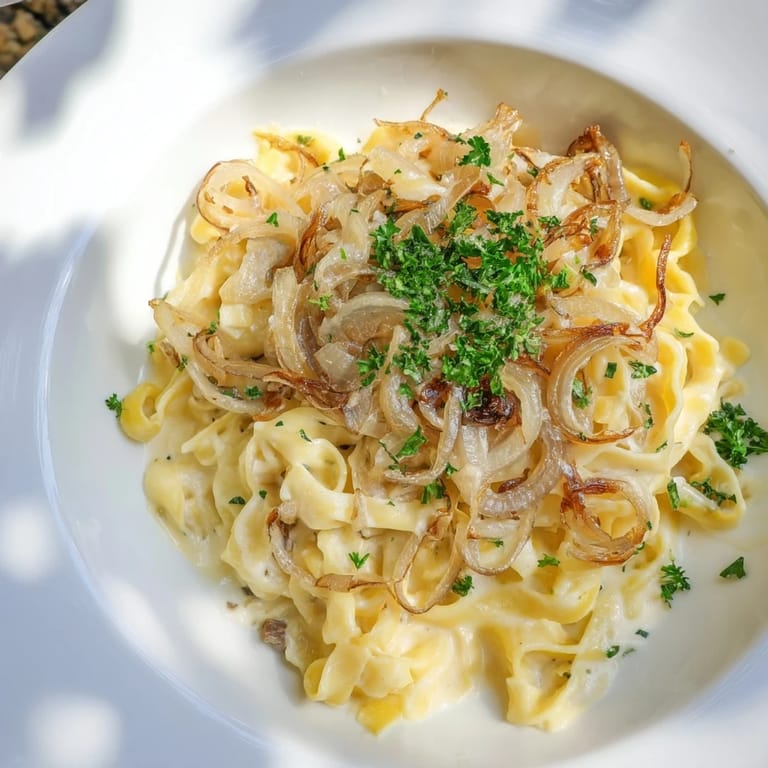
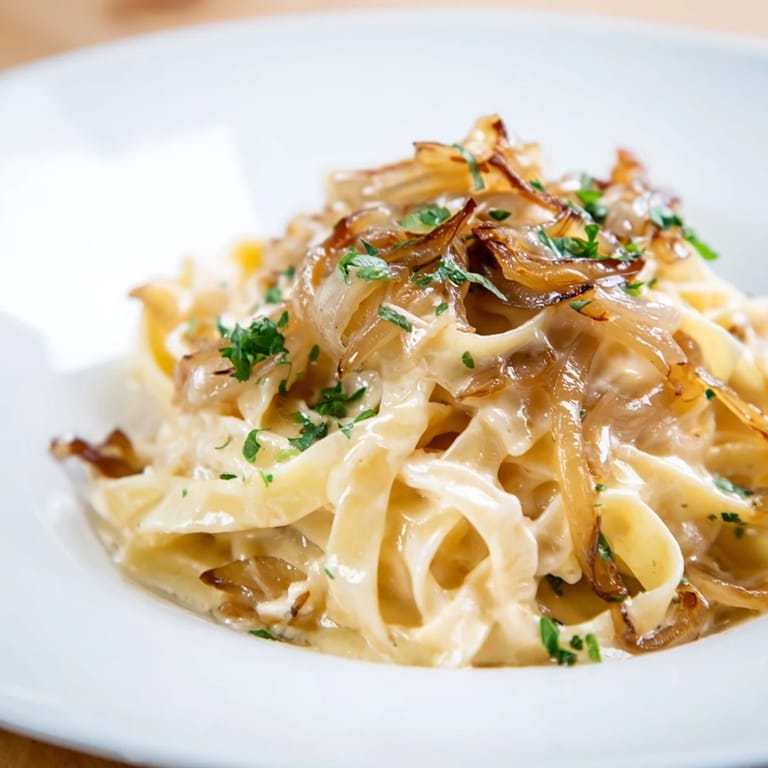
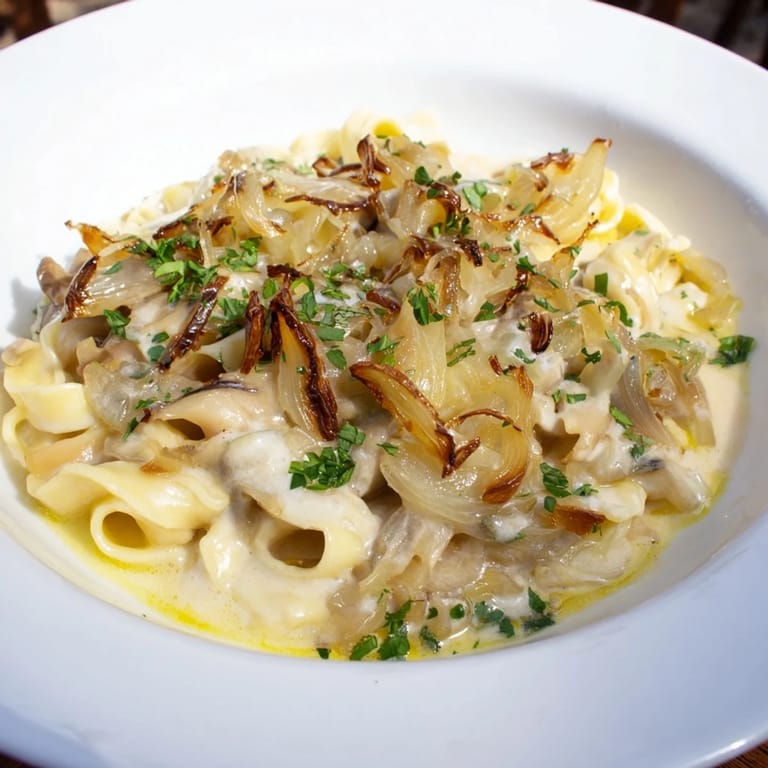
Save There's a particular Thursday evening that still comes to mind when I think about this dish—the kind of night where it's cold outside, the kitchen smells like caramelizing onions, and you realize you've found something that tastes like comfort without any fuss. I was experimenting with turning French onion soup into something more substantial, something that could be a complete meal in one pot, and this pasta emerged from that happy accident. The first time I made it, I was skeptical that pasta would work in that deep, savory broth, but by the time the Gruyère melted into those golden noodles, I understood why this became my go-to whenever the season shifts toward cooler days.
I made this for my sister on a Sunday afternoon, and watching her take that first bite—then immediately ask if she could have the recipe—told me everything I needed to know. She'd been stressed about meal prep, and somehow this dish felt like exactly what she needed: something that tastes like you spent hours on it, but doesn't demand that from you. Now when she texts asking what to cook, this is what I recommend.
Ingredients
- Yellow onions: Three large ones, sliced thin, are the foundation—they'll caramelize into deep gold and create the soul of this dish.
- Garlic: Just two cloves, minced, add a whisper of sharpness that keeps everything from being one-note.
- Fettuccine or linguine: Use 350g of dried pasta—the ribbon shapes catch the broth beautifully and feel more luxurious than smaller cuts.
- Dry white wine: 60ml helps deglaze the pan and adds brightness; don't skip it even if you're tempted.
- Vegetable or beef broth: One liter—beef broth deepens the flavor considerably if you have it on hand.
- Unsalted butter: Two tablespoons, combined with olive oil, creates the perfect fat for caramelizing onions evenly.
- Gruyère cheese: 120g grated—this is the cheese that matters here, with its nutty undertones and creamy melt.
- Parmesan cheese: 60g grated, adds a sharp, salty edge that balances the sweetness of the onions.
- Olive oil: Two tablespoons work alongside the butter to prevent burning during that long caramelization.
- Sugar: Just one teaspoon helps the onions brown faster and deepens their caramel color.
- Dried thyme: A half teaspoon, understated but essential for that French accent.
- Bay leaf: One leaf flavors the broth subtly—remember to fish it out before serving.
- Salt and black pepper: Taste as you go; you'll need more than you might expect.
Tired of Takeout? 🥡
Get 10 meals you can make faster than delivery arrives. Seriously.
One email. No spam. Unsubscribe anytime.
Instructions
- Start the foundation with butter and oil:
- In your large, deep skillet or Dutch oven, melt the butter with olive oil over medium heat until it's foamy and warm. This combination prevents the butter from burning during the long caramelization ahead.
- Caramelize the onions slowly:
- Add your sliced onions and that teaspoon of sugar, then let time do the work. Stir occasionally as they soften and turn from white to pale gold, then deeper amber, for about 20 to 25 minutes—this patience is where the entire dish's character comes from. You're looking for deep caramelization, not just softened onions.
- Welcome the garlic:
- Once the onions are that beautiful deep brown, add your minced garlic and cook for just a minute until the raw edge softens and the aroma fills your kitchen.
- Deglaze with wine:
- Pour in the white wine, scraping the bottom of the pan with your spoon to lift all those browned, flavorful bits. Let it bubble away for about two minutes until most of the wine cooks off and you're left with concentrated flavor.
- Build the braising liquid:
- Scatter in the thyme and bay leaf, then pour in all that broth. Bring it to a boil, letting the heat invite all those flavors to meld together.
- Cook the pasta in the broth:
- Break your pasta into the pot—don't break it, actually, just nestle it in as it softens and bends into the liquid. Stir frequently to prevent sticking, simmering over medium-low heat for 10 to 12 minutes until the pasta is tender and most of the liquid has been absorbed into the noodles.
- Finish with cheese:
- Fish out that bay leaf, then stir in both cheeses off the heat, letting them melt into a silky, savory coating. Season generously with salt and pepper—this is your final chance to balance everything.
- Serve while it's warm:
- Divide into bowls, top with fresh parsley if you have it, and maybe a little extra cheese for good measure.
 Save
Save What struck me most was how this dish somehow tastes like you've been cooking all day, even though it takes less than an hour start to finish. That's when I realized it's not about time spent—it's about the intentionality of caramelizing those onions and letting the flavors layer together in one pot.
The Art of Caramelizing Onions
The onions are everything here, and learning to caramelize them properly changed how I cook in general. Medium heat is your friend—turn it up and they'll burn rather than caramelize, leaving bitter notes instead of that sweet, deep complexity. The sugar helps them brown faster, but honestly, good onions and patience do the real work. I learned this the hard way after a burned batch early on, and now I check them every few minutes toward the end, knowing exactly what that perfect deep-golden color should look like.
Why One-Pot Cooking Matters
There's something deeply satisfying about cooking a complete meal in one vessel—fewer dishes, yes, but also a sense of everything building on itself. The pasta absorbs all the broth's flavor directly, not sitting in plain salted water like it does in traditional cooking. Every component contributes to every other component, which is why this tastes so much more cohesive than you'd expect from such simple ingredients.
Make It Your Own
This recipe is forgiving enough to adapt to what you have and what you love. If you're drawn to deeper flavors, use beef broth instead of vegetable—it shifts the entire personality of the dish toward something richer and more robust. Mushrooms, sautéed separately until golden, add an earthy depth that works beautifully alongside the caramelized onions. Some nights I add a splash more wine if I'm in a mood for brightness, or a pinch of nutmeg if I want to echo that French onion soup connection even more directly.
- Swiss cheese works beautifully if you can't find Gruyère, though it's slightly milder.
- A crisp Sauvignon Blanc alongside a bowl of this is genuinely one of life's small perfect moments.
- Leftovers reheat well, though you might need to add a splash of broth if the pasta has absorbed everything overnight.
 Save
Save This dish has become my answer to the question of what to cook when you want something that tastes effortful and comforting. It reminds me every time I make it that some of the best food doesn't come from complexity—it comes from respecting simple ingredients and giving them the time and attention they deserve.
Recipe FAQs
- → Can I use different types of pasta?
Yes, fettuccine or linguine work best, but feel free to use any long pasta you prefer.
- → Is vegetable broth suitable for this dish?
Vegetable broth is ideal for a vegetarian option, while beef broth adds a richer flavor.
- → How do I caramelize onions properly?
Cook sliced onions slowly with butter and sugar over medium heat, stirring occasionally until they turn deep golden brown.
- → Can I substitute the cheeses used?
Gruyère can be replaced with Swiss cheese, and Parmesan can be swapped for Pecorino Romano if desired.
- → What wine pairs well with this dish?
A crisp white wine such as Sauvignon Blanc complements the rich, cheesy flavors nicely.