 Save
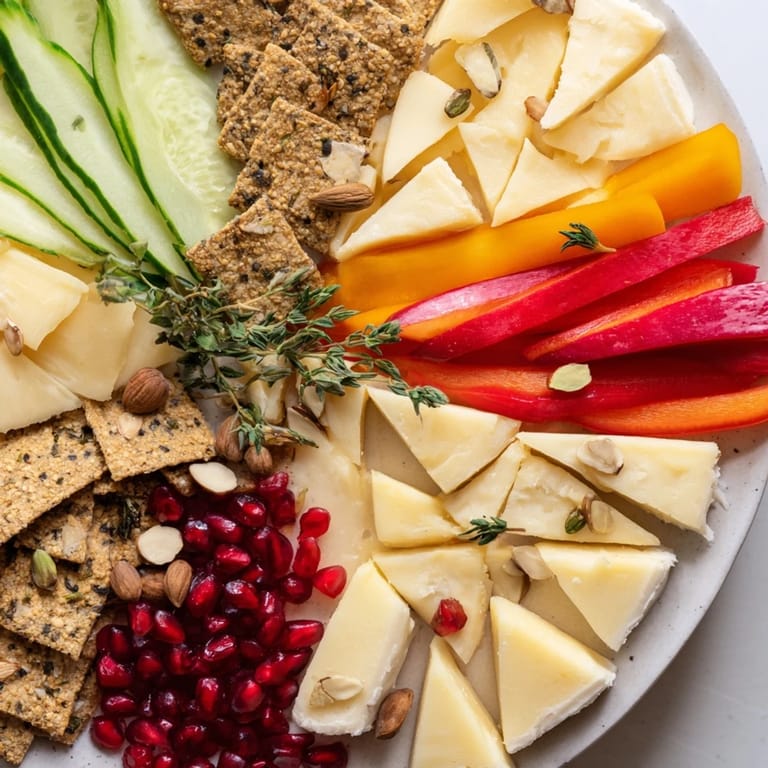
Save I remember the first time I saw a tessellation pattern in a cookbook—it struck me as impossibly complex, something only professional chefs could pull off. But then I realized it was just one simple idea: cut everything into triangles, fit them together like a puzzle, and suddenly you have something that looks like edible art. I was hosting a dinner party and wanted to impress without fussing over hot pans all evening, so I decided to give it a try. The moment my guests arrived and saw that geometric masterpiece spread across the board, their faces lit up. That's when I understood—sometimes the most impressive dishes are the ones that let you step back and enjoy the moment with the people you care about.
I'll never forget my neighbor Sarah's birthday dinner when I brought this board to the table. She's an architect and absolutely nerded out over the tessellation, taking photos from every angle before we even started eating. Her kids were fascinated too—they wanted to understand how the pieces fit together without gaps. It turned what could have been just appetizers into this whole moment of discovery and creativity. That's the magic of this board: it brings people together through both beauty and conversation.
Ingredients
- Aged cheddar, 100 g sliced into triangles: The sharpness cuts through the sweetness of the fruits beautifully. I learned to slice it just thick enough to hold its shape but thin enough to feel delicate on the palate
- Manchego, 100 g sliced into triangles: This Spanish cheese has a nutty richness that adds depth. Its firm texture means it won't crumble when you cut it into geometric shapes
- Goat cheese, 100 g chilled and cut into triangles: The tanginess is essential for balance. Keeping it cold makes it much easier to cut cleanly without it falling apart
- Cucumber, 1 medium peeled and sliced into thin triangles: Crisp and refreshing, it provides textural contrast. Peeling it gives a cleaner, more refined appearance on the board
- Red bell pepper, 1 large seeded and cut into triangles: The bright color is crucial for visual impact, and the sweetness plays perfectly against savory cheeses
- Beet, 1 small cooked and sliced into very thin triangles: Cooked beets are easier to slice uniformly, and their deep burgundy adds richness to the color palette
- Pear, 1 large cored and sliced into thin triangles: A subtle sweetness that doesn't overwhelm. The delicate flavor reminds people this is still a sophisticated appetizer, not a dessert board
- Watermelon, 1/2 cup cut into small triangles: The juiciness adds a burst of freshness. I learned to pat pieces dry so they don't make other ingredients soggy
- Whole grain crackers, 100 g cut into triangles if needed: These add earthiness and texture. Breaking them into triangles yourself gives you more control over size and shape
- Roasted almonds, 1/4 cup: They nestle into gaps beautifully and add a subtle crunch. Roasting brings out their natural sweetness
- Pomegranate seeds, 1/4 cup: These are your secret weapon for filling tiny gaps and adding pops of color and tartness
- Honey, 2 tbsp optional: A light drizzle over the goat cheese creates a beautiful sweet-tart contrast. Use sparingly—you want to taste the cheese, not mask it
- Fresh herbs like thyme or mint: The green garnish ties everything together visually and adds aromatic freshness that lifts the whole board
Tired of Takeout? 🥡
Get 10 meals you can make faster than delivery arrives. Seriously.
One email. No spam. Unsubscribe anytime.
Instructions
- Set up your canvas:
- Start with a large wooden board or platter that's been wiped clean. The wood gives warmth to the presentation, and a clean surface means your colors will really pop. This is your stage—treat it with care
- Cut everything into triangles:
- This is where precision matters. Use a sharp chef's knife or, if you're feeling fancy, a mandoline slicer. The goal is similar-sized triangles so they fit together like puzzle pieces with minimal gaps. Take your time here—the cutting is almost meditative, and it's where the magic starts to happen
- Start from a corner:
- Pick one corner of your board and begin arranging. Start with a cheese triangle, then alternate—perhaps a vegetable next, then fruit. Think of it like you're playing a game where you're trying to fit shapes together without leaving empty spaces. The colors should flow and shift naturally as your eye moves across the board
- Build the tessellation:
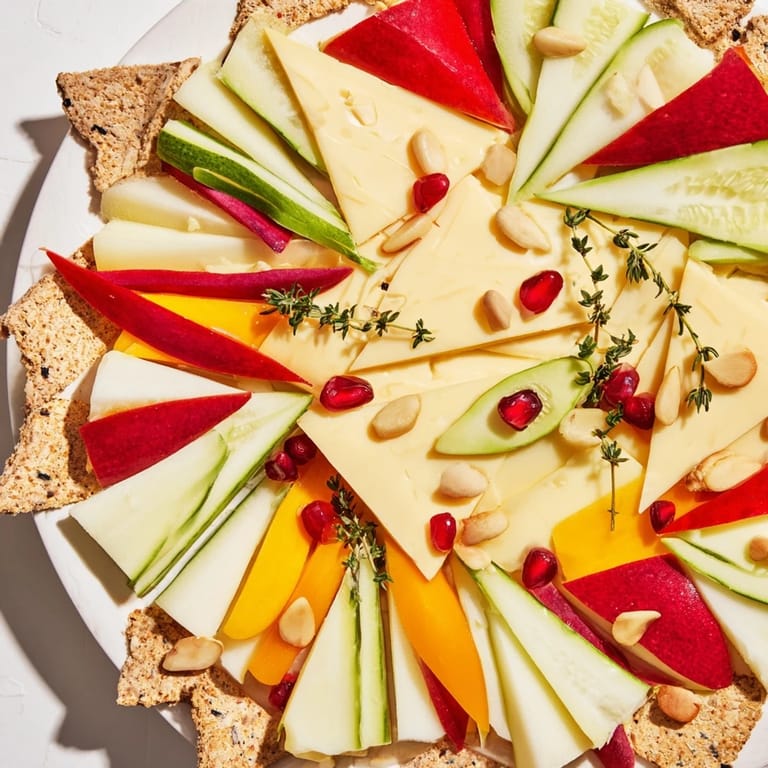
- Continue arranging triangle by triangle, row by row, working toward the opposite corner. Press each piece gently against its neighbors so they nestle together. You'll start to see the pattern emerge, and it's genuinely satisfying to watch chaos become order
- Fill the gaps:
- Those tiny spaces where three or four triangles meet? That's where pomegranate seeds and almonds shine. Drop them in like you're adding the final brushstrokes to a painting. Each seed of pomegranate catches the light differently, adding sparkle
- The finishing touches:
- If you're using honey, drizzle it lightly over the goat cheese triangles just before serving—not too much, or it becomes sticky. Scatter fresh herbs across the top, letting a few pieces overlap naturally. Step back and look at what you've created
- Serve with intention:
- Bring this to the table with confidence. Serve it immediately so everything is at its peak freshness. Watch people's faces as they see it for the first time. That moment is worth every careful cut you made
 Save
Save What surprised me most about making this board wasn't the design challenge—it was how it transformed the way people eat appetizers. Usually, guests grab something and move on. But with this, they slowed down. They studied the pattern, discussed the arrangement, and carefully selected which triangle they wanted next. It became this interactive, playful experience. That's when I realized this isn't just about food; it's about creating a moment where everyone pauses and appreciates both the beauty and the care that went into it.
The Geometry of Flavor Balance
One of the secrets to making this board work isn't just visual—it's about flavor distribution. You want every piece someone picks to be a complete experience. Pairing sharp aged cheddar next to sweet pear, creamy goat cheese beside crisp cucumber, nutty Manchego near bright red pepper—these aren't accidents. As you arrange, think about the flavor conversation each combination creates. A triangle of beet next to watermelon? They're both slightly sweet but in completely different ways, and that contrast is what makes your palate sing. The crackers act as a neutral anchor point that lets other flavors shine. This is why taking your time with arrangement matters—you're not just making something beautiful, you're composing a flavor experience.
Timing and Preparation Strategy
The thirty-five-minute prep time is genuinely achievable if you work smart. I cut all my cheeses first and arrange them on a separate plate—it buys you a mental break and lets you see color relationships clearly. Then vegetables, then fruits. By the time you get to arranging on the final board, your mind has already solved most of the puzzle. The night before, I'll often cook my beets and roast my almonds, which shaves off significant time on the day of entertaining. The beauty of this recipe is that all your cooking is done before you even touch the final board—no stress, no last-minute heat, just pure creative arrangement work that feels more like art than cooking.
Customization and Seasonal Variations
This board adapts beautifully to what's in season and what your guests prefer. In summer, I swap watermelon for fresh apricots and add thin slices of grilled halloumi. In autumn, roasted apple slices and candied pecans replace some ingredients. For a heartier version, add prosciutto or salami cut into triangles—they fit the geometric theme perfectly and add richness. If you're serving vegetarians, there are plenty of cheese and produce options here already. For vegans, use cashew cheese or store-bought plant-based cheese alternatives, which actually hold their shape beautifully when sliced. The tessellation pattern doesn't care about ingredients—it just cares that they're cut thoughtfully and arranged with intention.
- Consider your guests' allergies and preferences before choosing your specific ingredients—this recipe is forgiving and flexible
- Prep as much as you can the day before, but do final assembly no more than a few hours before serving
- Keep everything cool until the moment you bring it to the table for the most appetizing appearance
 Save
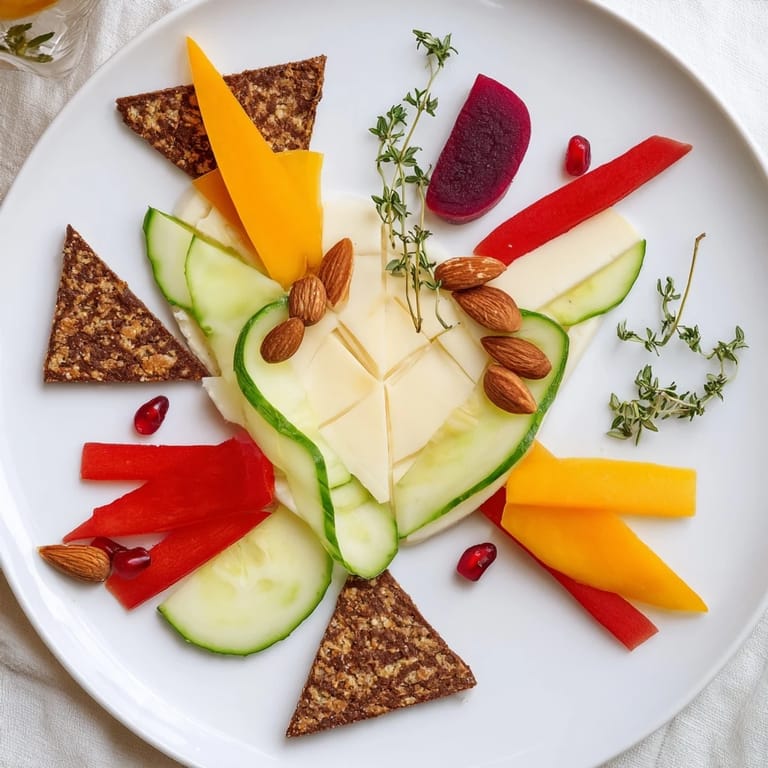
Save Making this board taught me that sometimes the most memorable meals aren't about complexity—they're about attention to detail and the willingness to slow down. Every time I arrange one of these now, I'm reminded that food can be art, and art can taste delicious.
Recipe FAQs
- → How do I create uniform triangles for the board?
Use a sharp chef's knife or a mandoline slicer to cut cheeses, vegetables, fruits, and crackers into consistent triangular shapes to ensure a neat tessellated pattern.
- → Can this appetizer be adapted for vegan guests?
Yes, substitute plant-based cheeses for dairy options to maintain the triangular aesthetic while keeping it vegan-friendly.
- → What types of cheese work best for this arrangement?
Aged cheddar, Manchego, and chilled goat cheese sliced into triangles provide a mix of flavors and textures that complement the other ingredients well.
- → How should I prevent gaps between the pieces?
Arrange the triangles tightly, alternating colors and textures, and fill any small gaps with pomegranate seeds and roasted almonds for visual appeal and texture.
- → What are some good accompaniments for this board?
Whole grain crackers cut into triangles work well, and pairing the board with a crisp sauvignon blanc or sparkling citrus water enhances the experience.
- → Is there a recommended garnish to finish the board?
Fresh herbs like thyme or mint add a fragrant touch and complement the honey drizzle over the goat cheese triangles.