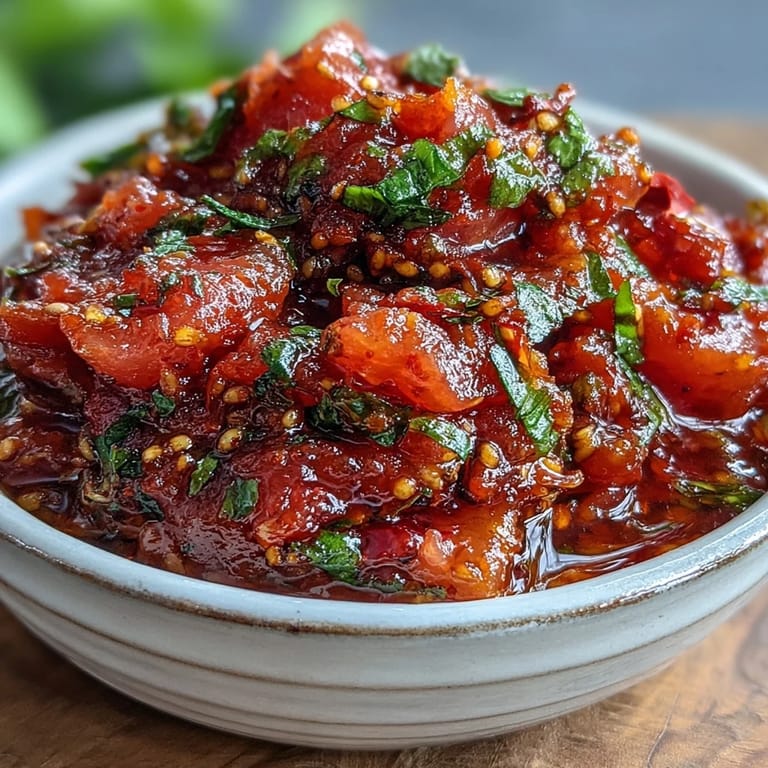
 Save
Save My neighbor showed up one morning with a bag of guavas from her tree, insisting I had to make chutney that very afternoon. I'd watched her prepare it countless times through her kitchen window, but never actually attempted it myself. What struck me most wasn't the recipe complexity—it's deceptively simple—but how she moved through each step with such unhurried confidence, as if her hands already knew the way. That first batch I made turned out bright green and alive, nothing like the heavy chutneys I'd imagined, and within minutes it became the thing everyone asked for at the table.
I made this for my mother-in-law's first visit to our new place, nervous she'd compare it to her own guava chutney from back home. She tasted it quietly, then asked for the recipe while still chewing. That simple request—not praise, just the wanting to understand how I'd done it—made the whole dish feel less about proving myself and more about sharing something that genuinely worked.
Ingredients
- Semi-ripe guavas (2, about 1½ cups chopped): Look for guavas that yield slightly to pressure but aren't mushy; they should be pale green or starting to yellow, not fully ripe, which keeps the chutney from becoming too sweet and soft.
- Fresh grated coconut (¼ cup): This gives the chutney its silky texture and adds a subtle coconut undertone that balances the tartness beautifully; if using frozen, thaw it first and squeeze out any excess moisture.
- Green chilies (1–2, chopped): Start with one if you're unsure about heat levels, since these can vary wildly in intensity from one to the next.
- Ginger (1-inch piece, peeled and chopped): Fresh ginger brings a gentle warmth that sneaks up on you rather than hitting you immediately.
- Fresh coriander leaves (2 tablespoons chopped): This is what gives the chutney its bright, almost grassy note that makes it taste alive.
- Salt (½ teaspoon or to taste): Start conservative and taste as you blend; you can always add more.
- Jaggery or brown sugar (1 teaspoon): Just enough to round out the edges without making it a dessert.
- Lemon juice (1 tablespoon): This keeps everything sharp and prevents the mixture from tasting flat.
- Coconut oil (1 tablespoon): The choice of oil matters here because it carries warmth and a subtle sweetness that complements the tempering spices.
- Mustard seeds (½ teaspoon): These pop and splutter dramatically in the oil, releasing their nutty flavor into the whole chutney.
- Urad dal (½ teaspoon): These tiny lentils turn golden and nutty when tempering, adding texture and a toasted depth.
- Dried red chili (1): One is usually enough; you can break it in half if you want even less heat.
- Curry leaves (6–8): These aren't negotiable—they're the whole reason you're tempering, so don't skip them or use dried ones if you can help it.
- Asafoetida (a pinch, optional): If you decide to use it, remember that a pinch means truly a pinch; it's pungent and overpowers easily, but when used right it adds a savory depth that rounds everything out.
Tired of Takeout? 🥡
Get 10 meals you can make faster than delivery arrives. Seriously.
One email. No spam. Unsubscribe anytime.
Instructions
- Blend everything together:
- Combine the guavas, coconut, green chilies, ginger, coriander, salt, jaggery, and lemon juice in your blender with two to three tablespoons of water. Blend until smooth and fairly uniform, stopping to taste and adjusting water gradually if it's too thick—you're aiming for a texture that's thicker than a sauce but still easy to spoon.
- Transfer to a bowl:
- Pour your chutney into a serving bowl and set it aside while you handle the tempering.
- Heat the oil and toast the mustard seeds:
- In a small pan over medium heat, warm the coconut oil until it shimmers slightly, then add the mustard seeds and listen for them to start popping and crackling—this should happen almost immediately and sound almost like tiny fireworks.
- Build the tempering layers:
- Once the mustard seeds are actively sputtering, add the urad dal, dried red chili, curry leaves, and asafoetida all at once, stirring constantly for about thirty seconds until the dal turns golden and the kitchen fills with a toasted, warm aroma that's honestly intoxicating.
- Pour and mix:
- Carefully pour the entire tempering—oil and all the little fried bits—directly over the chutney in the bowl and mix well so the flavors distribute evenly and nothing settles to the bottom.
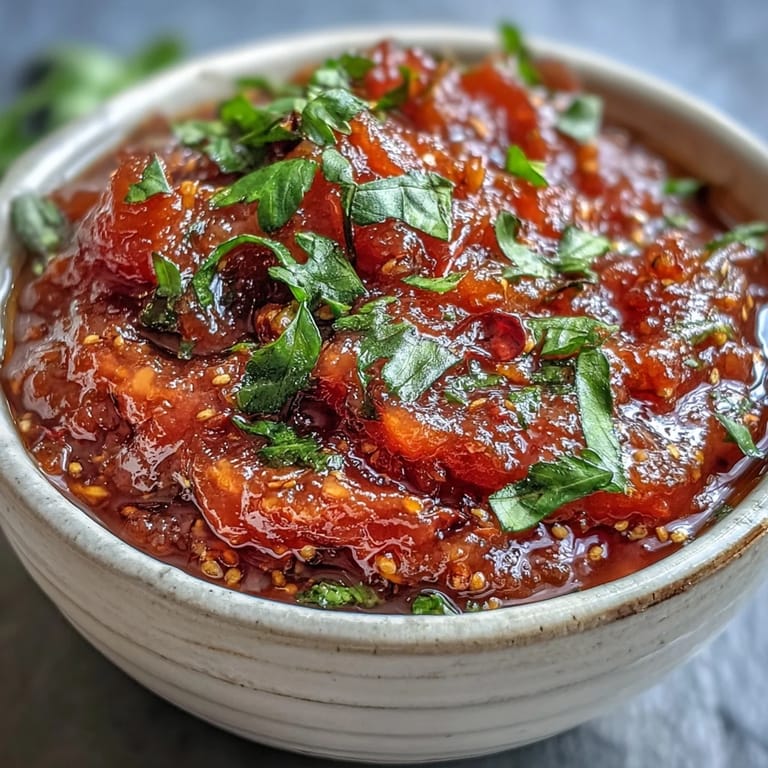 Save
Save There was an evening when I served this alongside idli to friends who'd never tried the combination before, and watching them pause mid-conversation because of the flavor was one of those small moments that reminds you why cooking matters. The chutney wasn't fancy or complicated, but it tasted like someone had paid attention.
When to Serve This
Guava chutney is the obvious companion to South Indian breakfast staples—idli, dosa, vada—where it cuts through richness and adds brightness. But it's equally wonderful spooned onto a simple piece of buttered toast, stirred into yogurt as a quick side, or served alongside roasted vegetables if you're keeping things light. I've even used it as a sandwich spread when I wanted something with character instead of reaching for the usual condiments, and it transforms an ordinary lunch into something memorable.
Storing Your Chutney
This keeps well in the refrigerator for about four to five days in an airtight container, though the coconut does gradually oxidize and darken slightly—still perfectly fine to eat, just not quite as vibrant. If you want to preserve it longer, the lemon juice and salt work as natural preservatives, and you can even freeze portions in small containers and thaw as needed, though the texture becomes softer after freezing. I usually make a fresh batch once I notice the color shifting, which isn't an inconvenience given how fast it comes together.
Adjusting the Flavor to Your Taste
This recipe is genuinely flexible, and I've learned not to be precious about exact measurements. If your guavas are particularly tart, you might need less lemon juice or a touch more jaggery; if they're already sweet, the opposite. The green chilies deserve attention too—start with one and taste before committing to two, since variety matters so much here. Keep a spoon nearby while blending and keep tasting; your palate knows better than any recipe what works for your particular batch of fruit.
- For extra tang, squeeze more lemon juice in or add a pinch of dried mango powder if you have it on hand.
- If you prefer a chunkier texture, blend for less time and leave some guava pieces visible and soft.
- A tiny pinch of ground cumin stirred in after tempering adds an earthy note that some people love.
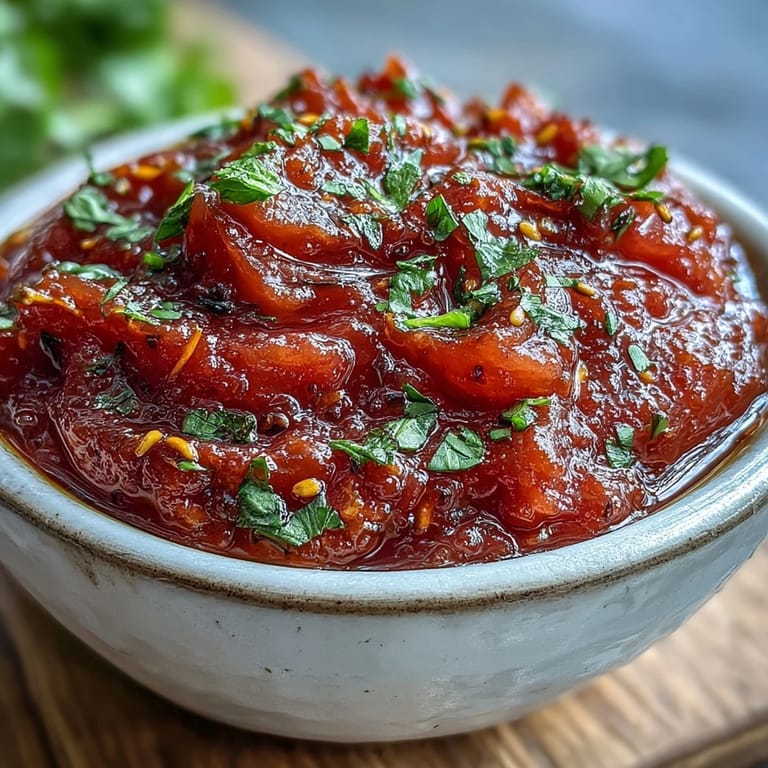 Save
Save This chutney became something I started making regularly not because it was on a list of things I should master, but because people kept asking for it. That's usually how you know you've found something worth keeping in your rotation.
Recipe FAQs
- → How should I store leftover chutney?
Store in an airtight container in the refrigerator for up to 3-4 days. The tempering adds flavor but may soften over time. Fresh is best for optimal texture and taste.
- → Can I make this without a blender?
You can use a mortar and pestle for a rustic texture, though it requires more effort. The result will be chunkier but equally flavorful. A food processor also works well.
- → What can I substitute for fresh coconut?
Frozen grated coconut works perfectly. If using dried coconut, rehydrate it first with warm water. Cashews can provide creaminess, though the flavor profile will change.
- → Is this supposed to be sweet or tangy?
This balances both tanginess from semi-ripe guavas and sweetness from jaggery. Adjust the ratio to your preference—more lemon juice for tang or more jaggery for sweetness.
- → What dishes pair well with this?
Classic pairings include idli, dosa, vada, and uttapam. It also works as a sandwich spread, with rice dishes, or alongside savory pancakes. The versatile flavor complements many South Indian staples.
- → Can I use fully ripe guavas instead?
Fully ripe guavas will make the final result sweeter and less tangy. You may want to reduce the jaggery and increase the lemon juice to maintain the balanced flavor profile.