 Save
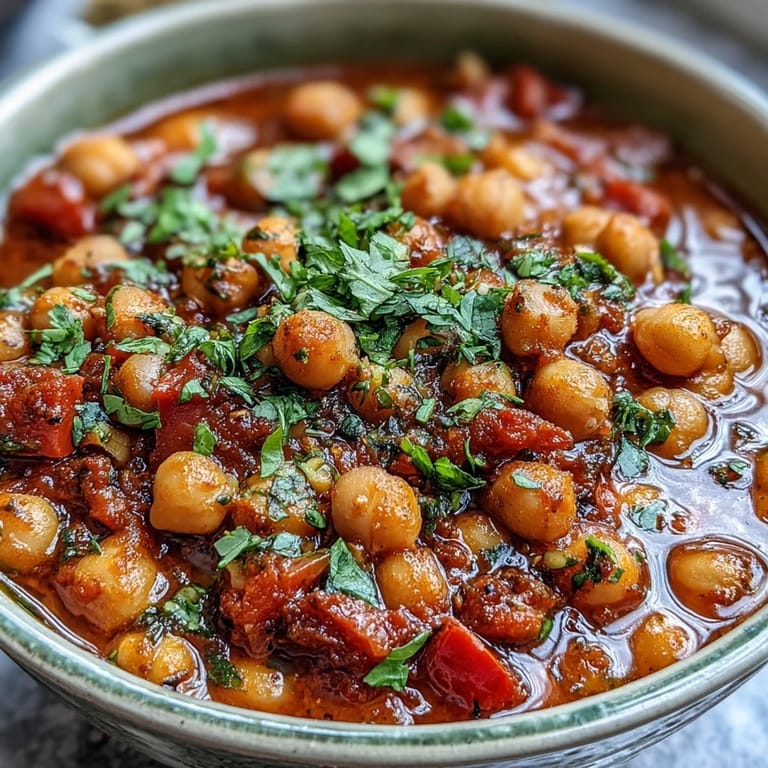
Save One October afternoon, my kitchen filled with the most intoxicating blend of cumin and smoked paprika—the kind of smell that stops you mid-stride and makes you wonder what you're about to create. That's when I discovered this spicy chickpea stew, not from a cookbook but from pure experimentation and the need to transform a pantry full of canned goods into something worth eating on a cold night. The first bowl came together almost accidentally, layers of warmth building as each spice found its place, and I realized I'd stumbled onto something that would become a weeknight staple.
I made this for my sister during a surprise visit in November, when she'd just told me she was going vegan. Instead of panicking about what to feed her, I threw together this stew, and watching her face light up as she tasted it felt like a small victory. She asked for the recipe before she'd even finished her bowl, and now she makes it every bit as often as I do.
Ingredients
- Chickpeas (2 cans, 15 oz each): Drain and rinse these thoroughly—it removes excess sodium and keeps your stew from tasting canned, plus they'll absorb the spice flavors so much better.
- Onion (1 large, finely chopped): This is your foundation, and taking time to soften it properly releases its natural sweetness, which balances all the spice coming later.
- Garlic (2 cloves, minced): Don't skip the mincing step; it distributes the flavor throughout the broth instead of leaving big harsh chunks.
- Carrots (2, diced): They add natural sweetness and body to the stew without needing cream or oil.
- Red bell pepper (1, diced): Use red instead of green if you can—it's sweeter and less bitter, which complements the warm spices beautifully.
- Diced tomatoes (1 can, 14 oz): Buy canned with no added sugar if possible, as they'll let the spices shine through.
- Vegetable broth (2 cups): The quality of your broth matters more than you'd think; I've learned to taste it first and adjust salt accordingly.
- Tomato paste (2 tablespoons): This deepens the savory notes and adds richness without heaviness.
- Olive oil (2 tablespoons): Use a decent quality oil here since it carries the flavor of your onions and spices.
- Ground cumin (1 teaspoon): The warm backbone of this entire dish—don't reduce it or the stew loses its identity.
- Smoked paprika (1 teaspoon): This is what gives the stew its sophisticated depth; regular paprika won't give you the same smoky warmth.
- Ground coriander (1/2 teaspoon): It adds a subtle citrus note that brightens everything without being obvious.
- Ground turmeric (1/2 teaspoon): Adds earthiness and that golden color that makes the stew look as good as it tastes.
- Chili flakes (1/2 teaspoon): Adjust this based on your heat tolerance—I've learned that starting conservative and tasting as you go prevents regrets.
- Ground cinnamon (1/2 teaspoon): A pinch of warmth that ties everything together, especially the savory and spicy elements.
- Bay leaf (1): Remove it before serving; I learned this lesson the hard way by accidentally biting into one.
- Salt and black pepper: Taste constantly and season in layers—your seasoning at the end should be the final adjustment, not the first attempt.
- Lemon juice (1/2 lemon): This brightness at the end lifts all the heavy spices and makes the stew taste fresher somehow.
- Fresh cilantro or parsley (2 tablespoons, chopped): The herbs are not optional; they're what transform this from good to memorable.
Tired of Takeout? 🥡
Get 10 meals you can make faster than delivery arrives. Seriously.
One email. No spam. Unsubscribe anytime.
Instructions
- Start with your aromatic base:
- Heat olive oil in a large pot over medium heat and add your chopped onion, letting it soften and turn golden for about 4–5 minutes. This patience upfront is non-negotiable; you're building flavor, not rushing.
- Build your vegetable foundation:
- Stir in the minced garlic, diced carrots, and red bell pepper, sautéing everything together for another 3–4 minutes until the peppers just begin to soften. You'll notice the kitchen smells incredible at this point, and that's your signal you're on the right track.
- Bloom your spices:
- Add all your ground spices—cumin, smoked paprika, coriander, turmeric, chili flakes, and cinnamon—along with the bay leaf, stirring constantly for about 1 minute. This blooming step is crucial; the heat unlocks the essential oils in the spices and makes them sing.
- Combine everything into one pot:
- Stir in your tomato paste first, letting it caramelize slightly for a minute, then add the diced tomatoes, chickpeas, and vegetable broth all at once. Bring the whole thing to a boil, then immediately reduce the heat.
- Let it simmer and meld:
- Cover the pot and reduce heat to low, simmering for 25 minutes while stirring occasionally—this is when all the flavors marry together and the chickpeas fully absorb the spice complexity. Walk away if you can; the hardest part is resisting the urge to keep stirring.
- Finish and thicken:
- Remove the lid and simmer uncovered for another 5 minutes to let some of the liquid reduce and the flavors concentrate. Don't skip this step; it's what transforms a good stew into one with actual body.
- Brighten and taste:
- Remove the bay leaf, then stir in the lemon juice and fresh herbs, tasting and adjusting salt and pepper as needed. The acid from the lemon will make everything taste sharper and fresher, almost like you've discovered a new dimension of flavor.
- Serve with intention:
- Ladle into bowls and serve hot alongside crusty bread for soaking up the broth, or over rice if you prefer something more substantial. Either way, this is the kind of meal that makes people feel taken care of.
 Save
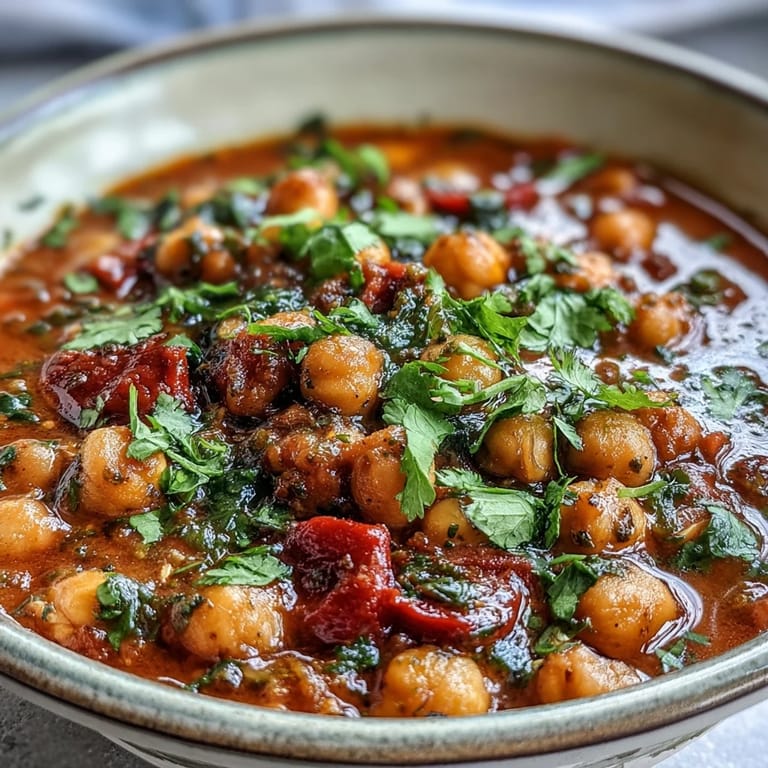
Save There's a particular kind of magic that happens when someone who's skeptical about plant-based cooking takes their first spoonful of this stew and realizes they've been missing out. I watched my dad, who's eaten meat his whole life, eat three bowls at a dinner party without once mentioning that it was vegetarian—the conversation just moved on, which meant I'd done my job.
The Secret to Deep Flavor
The real secret isn't hidden in any single ingredient; it's in understanding that spices need time and heat to reveal themselves. I used to dump everything in at once and wonder why my stews tasted flat, until I learned that blooming your spices in hot oil for a full minute is the difference between a decent stew and one that tastes like it's been simmering for hours. That single step changed how I approach every spiced dish now.
Customizing Your Heat Level
The beauty of this stew is how easily you can adjust the spice to your preference without losing the integrity of the dish. I've made this mild for friends who shy away from heat by reducing the chili flakes to a quarter teaspoon, and I've made it genuinely fiery for others by adding diced jalapeños right along with the other vegetables. My personal discovery is that adding heat gradually as you cook—tasting frequently—keeps you from overshooting and creating something unbearable.
Serving Suggestions & Storage
This stew is one of those rare dishes that actually tastes better the next day, once all the flavors have had time to meld and deepen. It keeps beautifully in the refrigerator for up to four days, and it freezes well too, which means you can make a double batch and thank yourself later. The texture remains perfect through reheating, whether you warm it gently on the stovetop or use the microwave.
- Pair it with a crisp Sauvignon Blanc if you're drinking wine, or serve alongside warm pita bread for a more casual meal.
- If you're feeding people who need substance, serve it over jasmine rice or alongside roasted cauliflower for extra bulk.
- Keep extra lemon wedges at the table so people can brighten their bowls to their own taste preference.
 Save
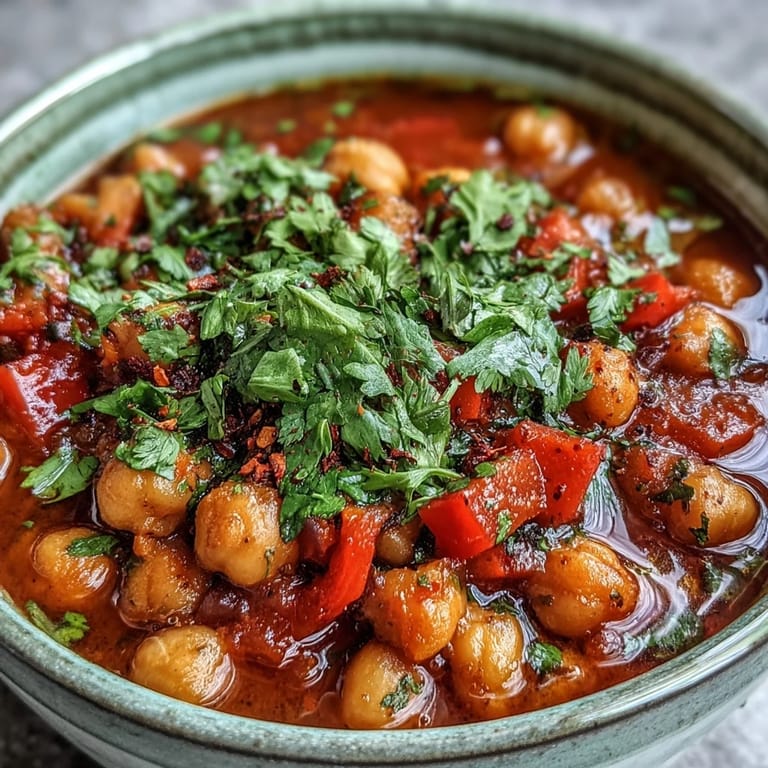
Save This stew has become one of those meals I make when I want to feed people something that feels both nourishing and indulgent, when I want to prove that plant-based cooking isn't about sacrifice but about flavor and warmth. Every time I make it, I'm reminded that the best recipes are the ones that bring people to the table.
Recipe FAQs
- → How spicy is this stew?
The heat level is moderate and adjustable. The chili flakes provide a gentle warmth that's balanced by the aromatic spices and tomatoes. Add more or less depending on your preference.
- → Can I use dried chickpeas instead of canned?
Absolutely. Soak 1 cup dried chickpeas overnight, then simmer for about 60-90 minutes until tender before adding to the stew. You may need to adjust the cooking time and liquid accordingly.
- → What can I serve with this stew?
Crusty bread, steamed rice, or quinoa make excellent accompaniments. The stew also pairs beautifully with a crisp white wine like Sauvignon Blanc or a light red wine.
- → How long does this stew keep in the refrigerator?
Stored in an airtight container, it keeps for up to 4-5 days. The flavors actually develop and intensify overnight, making it an excellent option for meal prep.
- → Can I freeze this stew?
Yes, it freezes well for up to 3 months. Let it cool completely before transferring to freezer-safe containers. Thaw overnight in the refrigerator before reheating.
- → What vegetables work well as substitutions?
Sweet potatoes, butternut squash, or spinach make excellent additions or substitutions. Adjust cooking times accordingly—root vegetables need more time, while greens only need a few minutes.