 Save
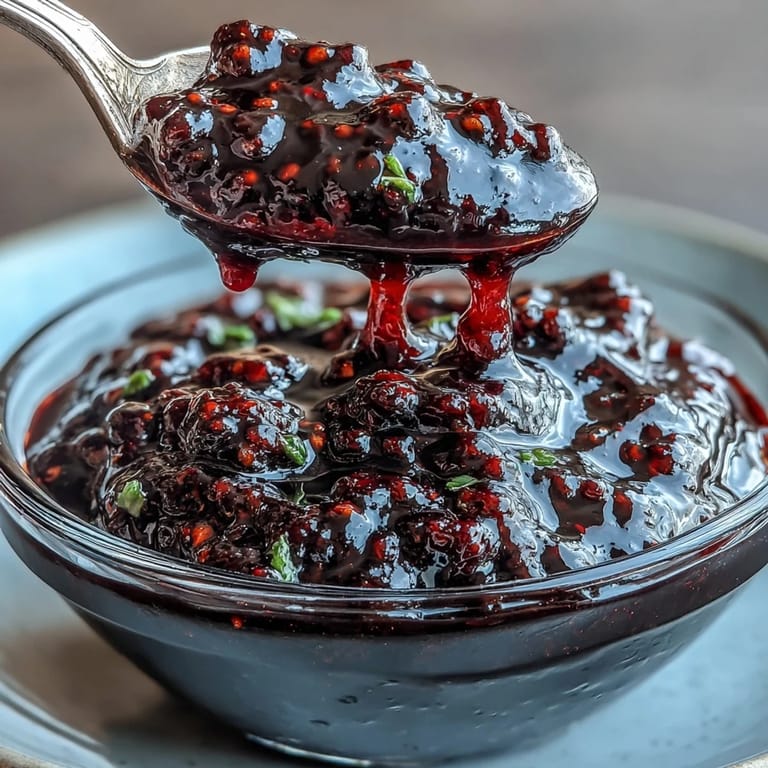
Save The first time I threw together this blackberry jalapeño BBQ sauce, I ended up grinning at the deep purple bubbling away in my saucepan—my kitchen smelled like late summer, but with a little kick. There’s something oddly satisfying about turning sweet fruit into a spicy, savory glaze, especially when you taste-test your handiwork straight from the spoon and feel both surprise and pride. I’d been hunting for a barbecue sauce that did more than just ‘sweet or smoky’, and this version was born after trial-and-error with whatever berries and peppers I had lurking in the fridge. It’s amazing what you can create from odds and ends, and the result was instantly declared ‘dangerous’ by my friends. Trust me—once you’ve tasted it warm and fresh, you’ll want to slather it over everything you grill.
One rainy July afternoon, I made a double batch of this sauce and set it out with a pile of roasted potatoes and grilled veggies for a friend’s backyard potluck. By the end of the evening, every last smear was scraped from the bowl, and someone even asked if the recipe was a family secret. That was the moment I realized this sauce could be the star, not just the sidekick. There’s something about people coming back for seconds that makes all the chopping and simmering worthwhile.
Ingredients
- Blackberries: Use fresh if they’re in season (the flavor is more vibrant), but frozen will work just as well—thaw and drain excess liquid to keep the sauce thick.
- Jalapeños: Chop and seed these carefully; gloves help if you’re sensitive, and leaving in a few seeds adds extra bite.
- Yellow onion: Softened onion gives the sauce a mellow base rather than sharpness.
- Garlic: Three cloves sound like a lot, but the flavor mellows and rounds out as it simmers.
- Ketchup: The backbone—pick a good-quality one with no corn syrup for a cleaner taste.
- Apple cider vinegar: Adds tang; I once tried white vinegar, but cider vinegar is far gentler and richer.
- Water: Just enough to loosen the mixture without making it runny.
- Worcestershire sauce: This deepens the umami—gluten-free versions are out there if allergy-friendly matters.
- Dark brown sugar: Its molasses hit brings out that barbecue depth—don’t skimp here.
- Honey: A slick of honey helps the sauce glaze beautifully on grilled meats or veggies.
- Smoked paprika: Offers that slow-smoked flavor, even if you’re just using your stovetop.
- Ground cumin: Adds earthiness and warmth; it’s subtle but essential.
- Salt and black pepper: Season to taste, and don’t forget—add a pinch at a time and sample as you go.
- Cayenne pepper: Optional, but a pinch can really wake things up if you like it feisty.
Tired of Takeout? 🥡
Get 10 meals you can make faster than delivery arrives. Seriously.
One email. No spam. Unsubscribe anytime.
Instructions
- Sauté the aromatics:
- Add blackberries, jalapeños, onion, and garlic to a saucepan—listen for the sizzle and enjoy the sweet-spicy aroma as they soften.
- Build the base:
- Stir in ketchup, apple cider vinegar, water, Worcestershire, brown sugar, and honey until everything looks thick and glossy.
- Spice it up:
- Add smoked paprika, cumin, salt, black pepper, and cayenne; you’ll notice the color deepen and the scent get smokier.
- Simmer gently:
- Lower the heat and let the sauce bubble away, stirring now and then—it’ll cook down and the berries will fall apart.
- Blend for smoothness:
- Either use an immersion blender right in the pot or carefully pour the hot sauce in batches into a blender; aim for a velvety texture.
- Strain for silkiness (optional):
- If you want a glossy, pourable finish, press the sauce through a fine-mesh sieve and scrape the bottom for every last drop.
- Cool and store:
- Let the sauce cool down, then transfer it to sterilized jars—it’ll thicken as it chills and keeps fresh in the fridge for two weeks.
 Save
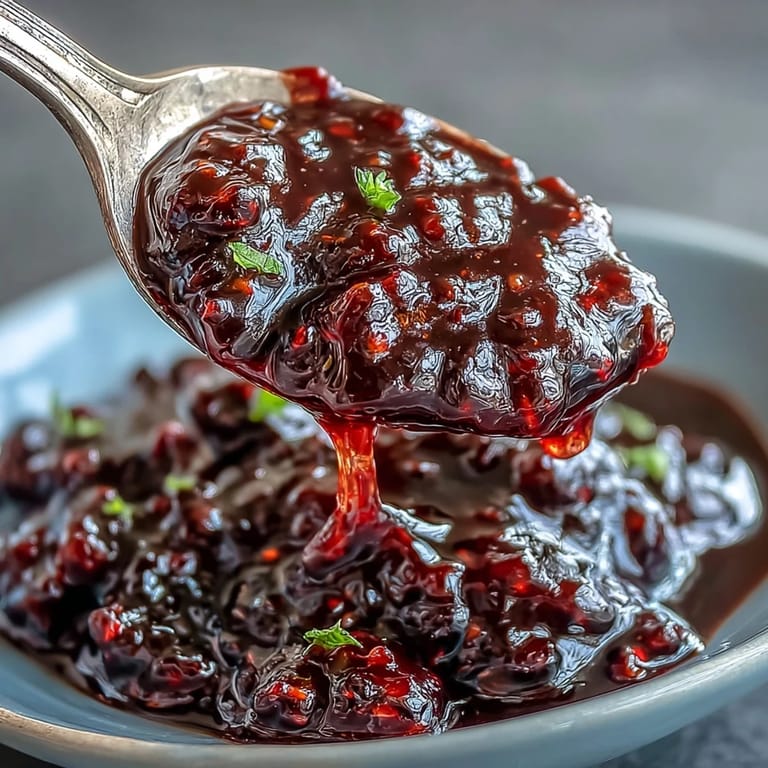
Save When I watched my cousin swipe the last bit from her plate with a stray carrot stick, I realized this sauce didn’t just brighten barbecue—it sparked impromptu laughs and honest conversation around the table. Food that gets people talking and improvising is always something to savor.
Choosing Your Fruit and Playing With Flavors
Some evenings, I swap in raspberries or toss in a handful of blueberries for a different take—the sauce turns out slightly tangier or a bit sweeter, but always gorgeous. Try using whatever berries look best at the market or whatever’s in your freezer; this is a good way to use up berries that are a bit too soft for snacking.
How Spicy Do You Dare Go
You genuinely control the fire here—taste after adding the jalapeños, and add more or less cayenne depending on your heat tolerance. I learned to keep gloves on for chopping after a rogue pepper proved too spicy for bare hands, and always label your jars if you’re gifting, so no one is caught off guard.
Storage, Freezing, and Serving Ideas
This sauce keeps beautifully in the fridge, and I often freeze extra in small containers for quick weeknight meals—just thaw in the fridge overnight. It’s at its absolute best brushed onto ribs or burgers right before finishing on the grill.
- If the sauce thickens too much in the fridge, stir in a splash of water before using.
- Remember to sterilize jars to keep the sauce fresher, longer.
- For a vegan version, substitute maple syrup for honey and use vegan Worcestershire sauce.
 Save
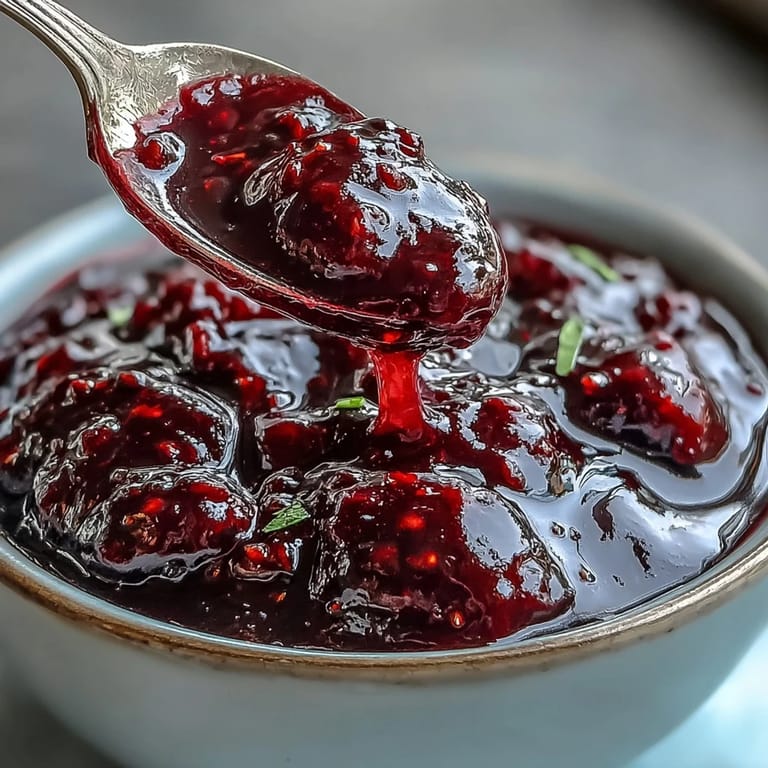
Save If you ever needed an excuse to invite friends over, a jar of this sauce will do the trick. Happy grilling!
Recipe FAQs
- → How can I make the sauce milder?
Use a single jalapeño or remove all seeds before chopping; simmering also mellows heat. You can add extra brown sugar or a splash more honey to soften the spice further.
- → What gives the sauce a silky texture?
Pureeing with an immersion or countertop blender breaks down seeds and solids. Passing the sauce through a fine-mesh sieve removes remaining seeds and pulp for a smooth, glossy finish.
- → Can I use frozen blackberries instead of fresh?
Yes. Frozen berries work well—no need to thaw fully before cooking. They may release more liquid, so extend simmering until thickened to reach the desired consistency.
- → How should I store the sauce and how long does it keep?
Cool completely, transfer to sterilized jars or bottles, and refrigerate. The sauce will keep about two weeks in the fridge or up to three months frozen in airtight containers.
- → Are there alternatives to Worcestershire sauce?
Use a gluten-free or vegan Worcestershire alternative, tamari, or a splash of soy sauce mixed with a little vinegar. Taste and adjust salt and umami accordingly.
- → What are the best uses for this sauce?
It shines as a glaze for ribs, chicken, and pork, a finishing sauce for grilled burgers, or a dipping sauce for roasted vegetables. Warm gently before glazing for best caramelization.