 Save
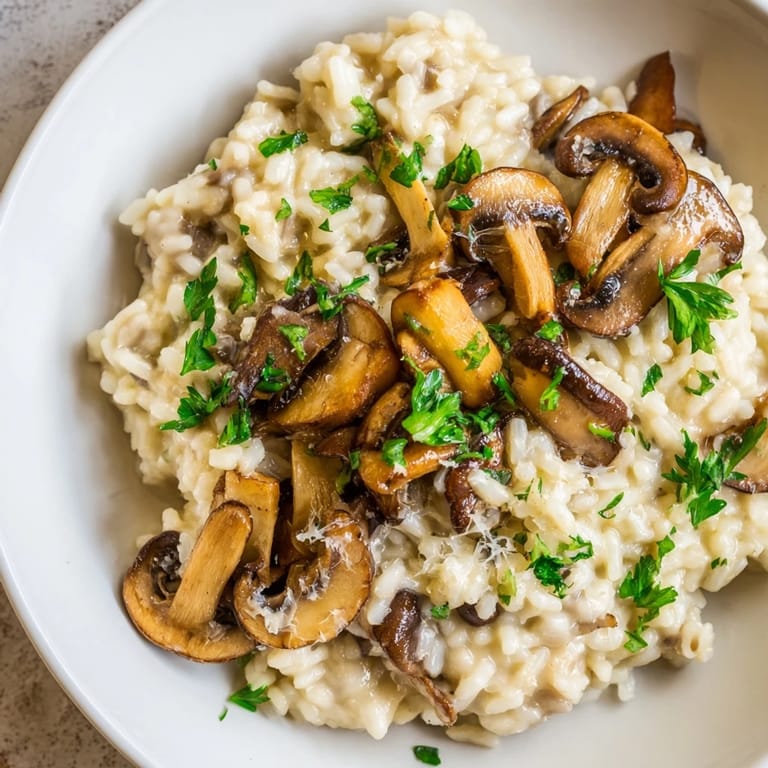
Save There's a particular evening I think of whenever mushrooms hit the pan just right—golden, releasing that earthy perfume into the kitchen. I was cooking for someone who'd mentioned they loved risotto but had never made it, and I realized halfway through stirring that this creamy, luxurious dish isn't actually as fussy as it sounds. The magic is just patience, warm broth, and letting the rice gradually surrender into creaminess. That night, watching their face when they tasted it, I understood why risotto shows up at Italian tables for both quiet Tuesday dinners and celebrations alike.
I made this for four people on a chilly autumn evening when everyone arrived tired and hungry. Someone opened a bottle of wine, we poured glasses, and I let the aroma of sautéing mushrooms fill the apartment while we caught up. By the time I was ladling in broth and stirring, the whole room smelled like a trattoria. There's something about risotto that slows everything down—the conversation became gentler, the meal felt more intentional than rushed.
Ingredients
- Arborio rice: This short-grain variety releases starch as it cooks, creating that signature creaminess without cream—look for it in the international aisle, never substitute with long-grain.
- Mixed wild mushrooms: Cremini, shiitake, and porcini each bring different notes; slicing them thick means they hold their texture instead of dissolving into mush.
- Vegetable broth: Keep it warm in a separate pot—adding cold liquid shocks the rice and disrupts cooking.
- Dry white wine: The acidity cuts through richness and adds complexity; cheap wine works fine here, but don't use anything you wouldn't drink.
- Parmesan cheese: Freshly grated makes an enormous difference—pre-grated versions contain anti-caking agents that won't melt as smoothly.
- Butter (cold and cubed): This final addition, called mantecatura, is what transforms risotto from merely cooked rice into something silky and luxurious.
- Yellow onion and garlic: Finely chopped means they dissolve into the rice, building a gentle flavor foundation.
Tired of Takeout? 🥡
Get 10 meals you can make faster than delivery arrives. Seriously.
One email. No spam. Unsubscribe anytime.
Instructions
- Sauté the aromatics:
- Warm the olive oil and butter together over medium heat until foaming. The onion will soften into translucence in about four minutes if you stir occasionally—you're not trying to brown anything, just coax out sweetness. Add the garlic and let it warm for exactly one minute; any longer and it starts to turn bitter.
- Toast the mushrooms:
- The mushrooms release their water first, then it evaporates, and then they finally turn golden—this takes patience. You'll smell the shift from earthy to nutty, and that's your signal they're ready. Give them five to seven minutes without rushing.
- Toast the rice:
- Stir the rice into the mushroom mixture and hear it click against the pan for a minute or two. This tiny step protects each grain so it doesn't turn mushy later.
- Add the wine:
- Pour in the white wine and stir constantly until the liquid disappears completely. You'll watch it go from visible to absorbed, and that's the rhythm you'll repeat for the next twenty minutes.
- Build the risotto with broth:
- Using a ladle, add warm broth one scoop at a time, stirring frequently. Wait until most of it is absorbed—the rice should look almost dry before you add more. After about eighteen to twenty minutes, the rice grains will be tender with a slight firmness at their centers, and the whole mixture will move together like a slow wave when you tilt the pan.
- Finish with butter and cheese:
- Off the heat, stir in the cold butter cubes and freshly grated Parmesan, moving fast so they melt smoothly into the risotto. The texture should be loose enough to flow slightly on a plate, not stiff like mashed potatoes.
- Rest and serve:
- Let it sit for two minutes—this allows everything to settle and come together. Serve immediately in warm bowls, finishing with fresh parsley and extra Parmesan at the table.
 Save
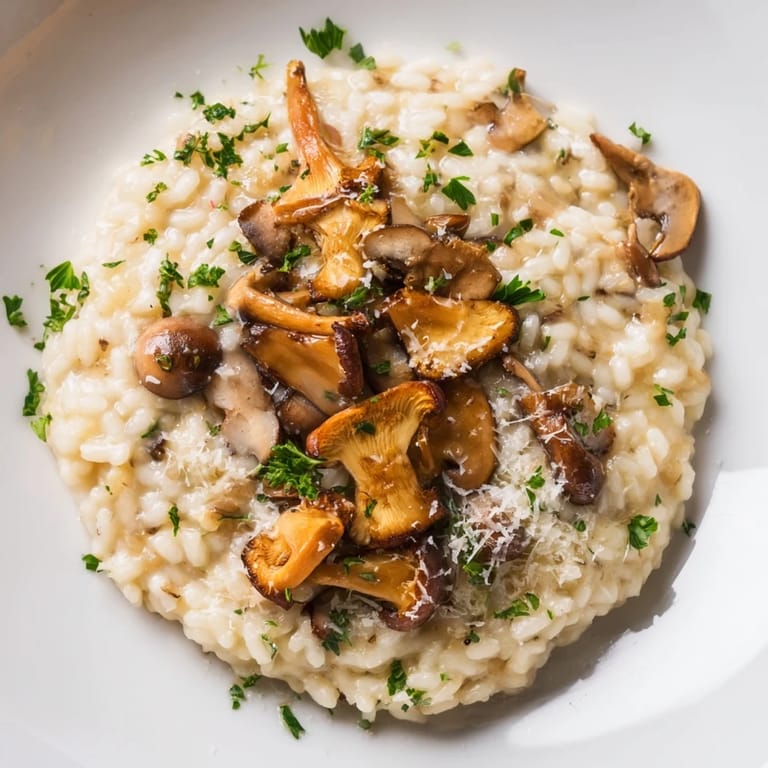
Save I remember tasting risotto properly for the first time at a small restaurant in Venice, and I was struck by how something so simple—rice, mushrooms, butter—could taste almost luxurious. It made me realize that cooking isn't about having exotic ingredients; it's about respecting what you have and giving it time.
Deepening the Flavor
If you want to push this risotto into truly memorable territory, dried porcini mushrooms are your secret. Soak a small handful in hot water for fifteen minutes, then strain the liquid through a fine sieve and mix it back into your warm broth—you're adding concentrated mushroom flavor to every ladle you stir in. The softened porcini pieces themselves can be chopped and added to the fresh mushrooms. It sounds like one extra step, but the depth it brings feels like you've been cooking all day.
Wine and Pairing
The white wine in the risotto itself doesn't just add flavor—it adds a subtle brightness that keeps the dish from feeling heavy despite all that butter and cheese. If you're serving this for dinner, a crisp Pinot Grigio or Chardonnay alongside makes sense; the acidity in the wine complements the richness on the plate. I've also served this with a light red when it's autumn and the mushrooms feel a bit more substantial, and that works beautifully too.
Making It Your Own
Risotto is forgiving in ways that other rice dishes aren't, and once you understand the basic rhythm, you can improvise freely. Some nights I've added fresh thyme or a bay leaf to the broth. Other times I've stirred in roasted asparagus or fresh peas near the end. The mushrooms are the star here, but they're also a foundation—you could add saffron for a golden Milanese version, or swap in seafood broth and white fish for something lighter.
- Try adding finely chopped fresh thyme or sage to the broth for an herbal note that especially suits mushrooms.
- If you have truffle oil or truffle salt at home, a whisper of either at the very end elevates the whole dish into restaurant territory.
- Leftovers can be fried into crispy risotto cakes the next day, each one a golden, creamy little treasure.
 Save
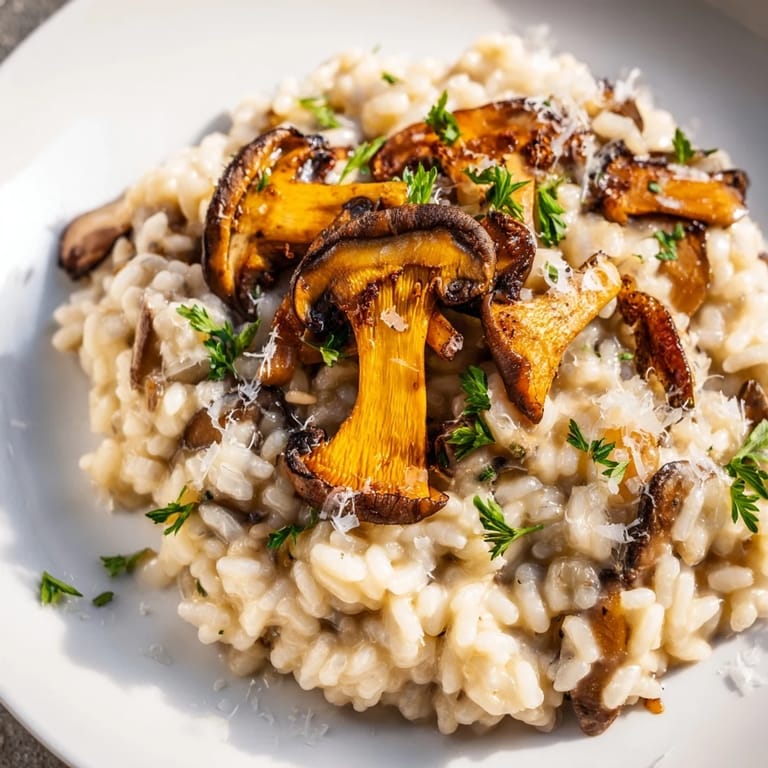
Save Risotto rewards patience in a way most dishes don't, turning a handful of ingredients and twenty minutes of stirring into something that tastes like love and butter. Once you've made it, you'll find yourself reaching for it whenever you want to feed people something nourishing and genuinely delicious.
Recipe FAQs
- → What type of rice is ideal for this dish?
Arborio rice is best for its creamy texture and ability to absorb flavors without becoming mushy.
- → Can I use other mushrooms besides wild varieties?
Yes, cremini, shiitake, and porcini add unique flavors, but button or portobello mushrooms can be used too.
- → How is the creamy texture achieved without cream?
The gradual addition of warm broth during cooking releases rice starches, creating a naturally creamy consistency.
- → What is the purpose of adding white wine?
White wine adds acidity and depth, balancing the richness of the cheese and butter.
- → How do I ensure the rice is perfectly cooked?
Stir frequently, add broth gradually, and cook until the rice is tender yet still firm to the bite (al dente).