 Save
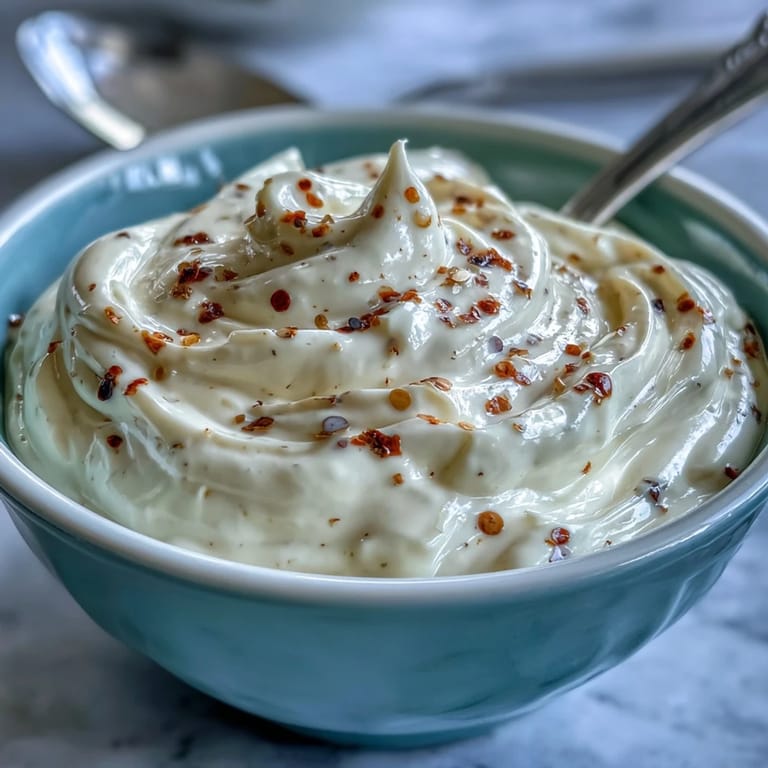
Save The morning I first tried making mayonnaise at home, I was skeptical. My kitchen was filled with the faint scent of Dijon and anticipation danced around the tall blending cup. I had read somewhere that the immersion blender was a game-changer, so I decided to give it a go. There's a peculiar sort of thrill in watching the egg and oil transform into silky cream right before your eyes. The entire process was so quick that I wondered how I’d ever fussed with store-bought jars.
One evening, I made this mayo to accompany grilled veggie sandwiches, and we ended up dipping everything into it — roasted potatoes, celery sticks, even the crusty bread. My friend Simone couldn’t stop raving about how unbelievably creamy it was, hinting that she’d never trust store-bought again. It became our signature spread for impromptu picnics after that moment. The kitchen felt warmer with everyone gathered and laughter bouncing off the countertops. I realized then that mayo was more than simply a condiment — it was a welcome mat for good company.
Ingredients
- 1 large egg (room temperature): This is what gives the mayonnaise its lush thickness; take it out early so it blends smoothly.
- 1 tablespoon Dijon mustard: The mellow heat provides a bright backbone and helps with emulsifying – don't substitute regular yellow.
- 1 tablespoon white wine vinegar or lemon juice: Either choice will add tang, but lemon gives more freshness; a little extra can make it zingy.
- 1 cup (240 ml) neutral oil (sunflower, canola, or light olive oil): Neutral oils let the flavors shine, but remember olive oil will assert its own boldness.
- 1/2 teaspoon fine sea salt: Balances all flavors – sprinkle in increments if you're unsure.
- 1/4 teaspoon freshly ground black pepper (optional): A tiny bit goes a long way for subtle spice; no need to be precise if you like more bite.
Tired of Takeout? 🥡
Get 10 meals you can make faster than delivery arrives. Seriously.
One email. No spam. Unsubscribe anytime.
Instructions
- Start the base:
- Crack the egg right into a tall, narrow blending cup and add mustard, vinegar or lemon juice, salt, and pepper. The scents mix, making your kitchen sing with readiness.
- Add the oil gently:
- Pour the oil over everything, letting it settle in a thick pool above the other ingredients – patience now pays off later.
- Begin blending:
- Position the immersion blender at the bottom, press the power, and watch the mixture spring to life as it thickens; it's mesmerizing.
- Move to finish:
- Slowly raise and lower the blender to catch all the oil and blend until it's uniformly creamy, which happens fast.
- Final seasoning check:
- Pause to taste the mayo and add salt or vinegar if something feels missing – trust your tongue.
- Jar and chill:
- Scrape the mayo into a clean jar, seal, and refrigerate; it chills as it settles and flavors meld beautifully.
 Save
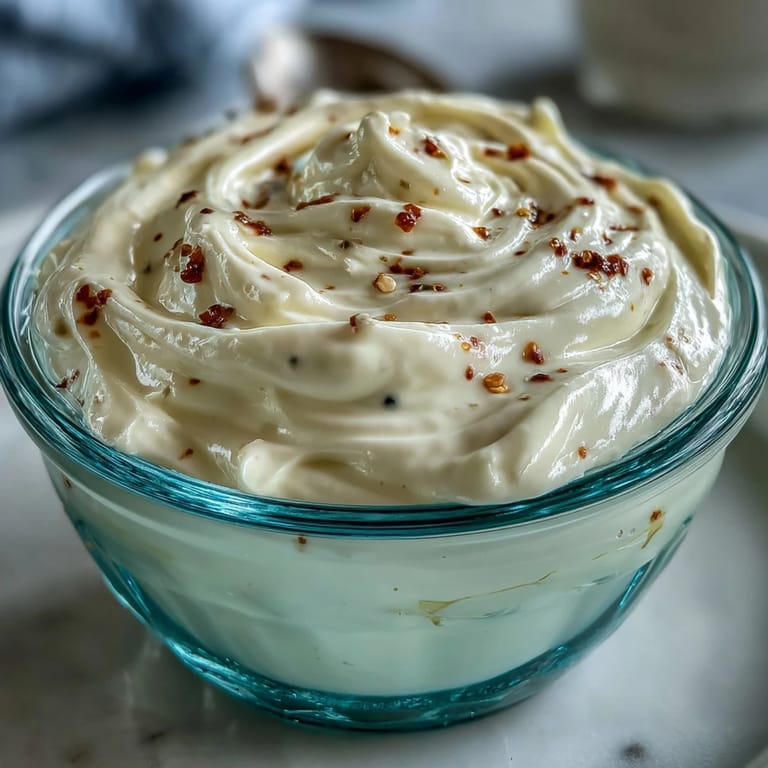
Save When my brother stopped by during lunch rush, he grabbed a spoon and tasted the mayo straight from the blender without waiting for sandwiches. His wide eyes told me everything – sometimes the simplest foods carry surprise. Suddenly, it wasn’t only about building a sandwich; it was about sharing that moment when homemade tastes better than expected.
Kitchen Tools That Make Life Easier
Having an immersion blender speeds things up and cuts out the mess of traditional whisking. A tall container focuses the blending action and makes cleanup easier. I keep my measuring spoons handy so nothing gets overlooked – small details prevent bigger mishaps. Using a dedicated jar for storage keeps the mayo fresher and avoids unwanted fridge smells.
Flavor Variations To Try
If you love garlic’s punch, drop a small clove in before blending and you’ll get a simple aioli. More lemon juice punches up tang; extra herbs add layers for dipping. The fun part is tweaking it based on what you’re serving – think roasted garlic, smoked paprika, or even a hint of sriracha for heat.
Troubleshooting and Last-Minute Help
If the mayo splits, don’t panic – start over with a fresh egg and slowly blend in the sad batch. Sometimes stubborn oil refuses to blend; just keep pulsing as you move the blender a bit. Err on the side of under-seasoning at first, since it’s easy to adjust at the end.
- Wash your blender blade right away so mayo doesn’t stick.
- Use pasteurized eggs if you’re worried about raw ingredients.
- Don’t forget to label your jar, so you know when it was made.
 Save
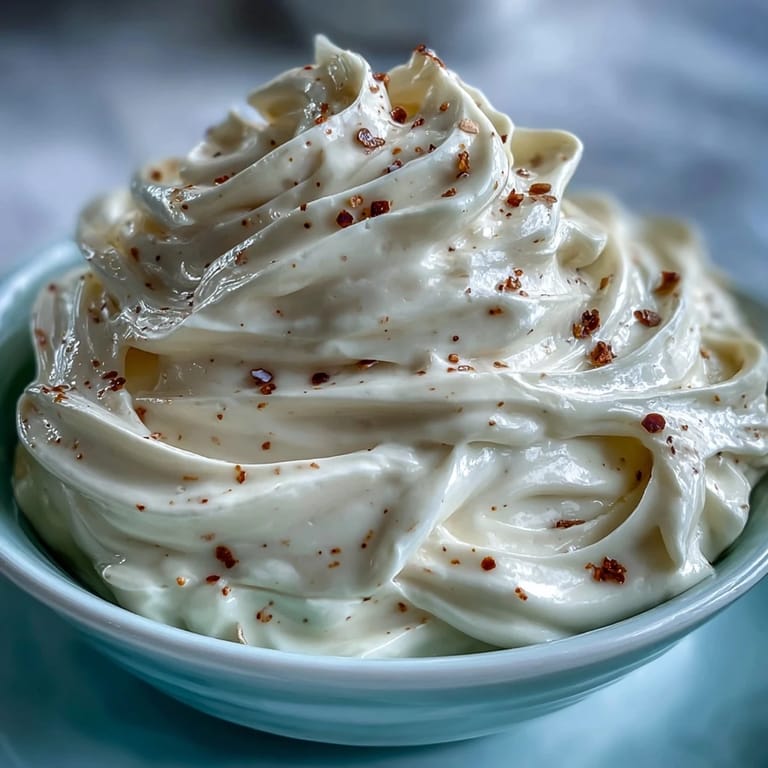
Save Making mayo together has become a quick ritual whenever we want something homemade and special. There’s genuine joy in watching creamy perfection happen in under five minutes – and it only gets better with good company.
Recipe FAQs
- → What oil should I use for homemade mayonnaise?
Choose neutral oils such as sunflower, canola, or light olive oil for mild flavor. Avoid strong-tasting oils unless you want a pronounced taste.
- → Can I use pasteurized eggs?
Yes, pasteurized eggs are a safe option. They reduce risk if you have concerns about raw eggs in homemade mayonnaise.
- → How do I make mayonnaise tangier?
Increase the amount of vinegar or lemon juice by up to 2 teaspoons to add extra tang and brightness.
- → Can I make garlic mayo or aioli?
Blend in one small garlic clove with the base ingredients for a garlicky version that works great with grilled foods and dips.
- → How long does homemade mayonnaise last?
Store mayonnaise in a sealed jar in the refrigerator for up to one week. Keep it cold to maintain freshness and safety.
- → What tools do I need for blending?
An immersion blender and a tall, narrow container are essential. Use measuring spoons for accuracy and a jar for storage.