 Save
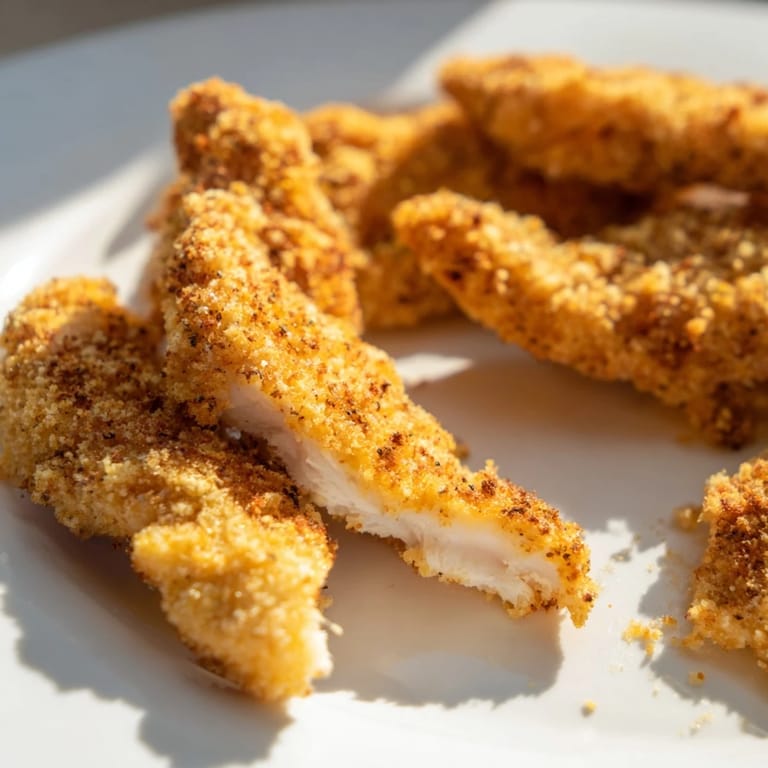
Save My friend Marcus called me one Tuesday afternoon asking if I could make fried chicken for his birthday dinner that weekend. I'd never attempted it before, only eaten it from restaurants, so I panicked a little. But then I remembered my grandmother mentioning something about buttermilk being the secret, and I decided to trust that instinct. Those tenders came out so crispy and golden that everyone at the table went quiet for a moment—the good kind of quiet—before asking for seconds.
I've made these tenders dozens of times since that first attempt, but one evening stands out: my roommate came home from a brutal day at work, slumped on the couch, and I surprised her with a plate still warm from the oil. Watching her face light up while dipping one in ranch was worth every greasy pan I had to clean afterward.
Ingredients
- Chicken tenders or breasts: Buy the pre-cut tenders if you want to save time, but honestly, cutting boneless skinless breasts into strips takes two minutes and saves money.
- Buttermilk: Don't skip this or substitute with regular milk—the acidity is what breaks down the protein and keeps the chicken tender no matter how hot your oil gets.
- All-purpose flour: The baking powder in the coating is the secret to that shattering crust; it creates tiny air pockets as it cooks.
- Paprika, garlic powder, onion powder: These season both the marinade and the coating, building flavor in layers so every bite tastes full.
- Vegetable oil: Use something neutral with a high smoke point; I've learned the hard way that olive oil makes the chicken taste off.
Tired of Takeout? 🥡
Get 10 meals you can make faster than delivery arrives. Seriously.
One email. No spam. Unsubscribe anytime.
Instructions
- Mix your marinade:
- Whisk together buttermilk with salt, black pepper, garlic powder, onion powder, paprika, and cayenne if you like heat. The mixture should smell tangy and aromatic.
- Marinate the chicken:
- Submerge the chicken tenders completely in buttermilk, cover the bowl, and refrigerate for at least two hours—or overnight if you have the time. Patience here pays off in tenderness.
- Prepare your flour coating:
- In a shallow dish, combine flour, salt, pepper, paprika, garlic powder, onion powder, and baking powder. Mix thoroughly so the seasonings are evenly distributed throughout.
- Coat the chicken:
- Remove chicken from the marinade one piece at a time, letting excess drip back into the bowl. Dredge it in the seasoned flour, pressing gently so the coating adheres, then place it on a clean plate.
- Heat your oil:
- Pour two inches of vegetable oil into a large skillet or Dutch oven and heat to 350°F. Use a thermometer—you'll know when it's right because a tiny pinch of flour will sizzle immediately but won't burn.
- Fry in batches:
- Carefully place three to four tenders in the hot oil, leaving space between them so the temperature doesn't drop too much. Fry for three to four minutes per side until the coating is deep golden brown and the internal temperature reaches 165°F.
- Drain and rest:
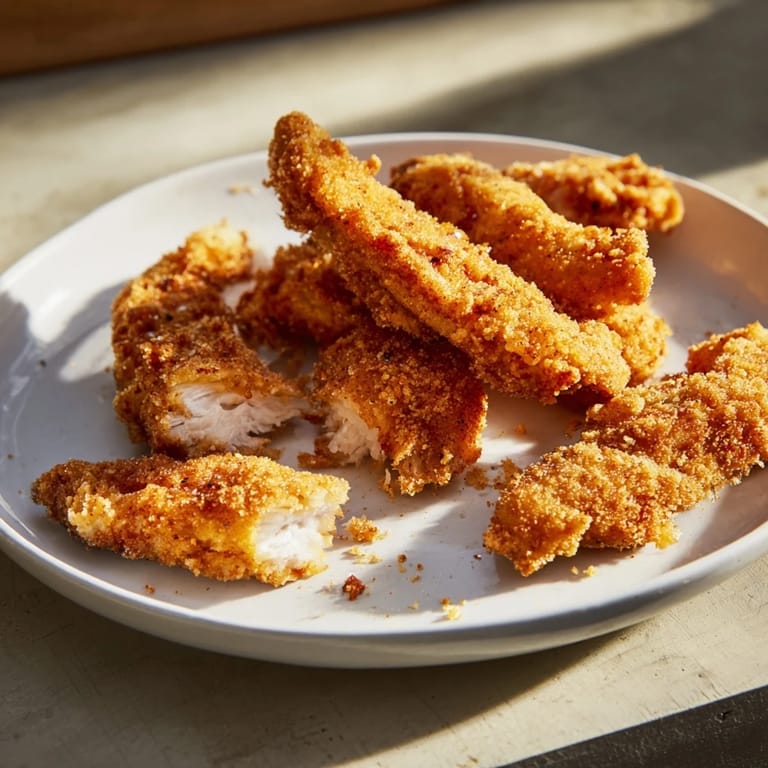
- Transfer the fried tenders to a wire rack or paper towels to drain. Serve them hot while the crust is still shattering.
 Save
Save There was an afternoon when my nephew watched me cook these for the first time, asking a hundred questions while perched on a stool. When he bit into one and his eyes went wide, he declared it tasted like "happy." That's when I realized this recipe isn't really about technique—it's about feeding people something that makes them feel cared for.
Getting the Temperature Right
Temperature is everything with fried chicken, and it took me a few batches to understand why. At 325°F, the outside burns before the inside cooks. At 375°F, everything happens too fast and the coating hardens before the marinade has time to keep the meat juicy inside. 350°F is the sweet spot where the magic happens—the coating browns steadily while the chicken cooks through. If you don't have a thermometer, use the visual cue: when a tiny pinch of flour dropped in the oil sizzles and turns golden in about three seconds, you're ready.
The Marinade Makes All the Difference
I used to think marinating was an optional step, something you did if you had extra time. Then I made a batch where I only marinated for thirty minutes, and it was noticeable—the chicken was drier, less flavorful. The buttermilk isn't just adding taste; it's actually tenderizing the meat through its acidity, breaking down the proteins so they hold moisture better during the heat shock of frying. Two hours is the minimum, but overnight is when this recipe really shines.
Serving and Storage
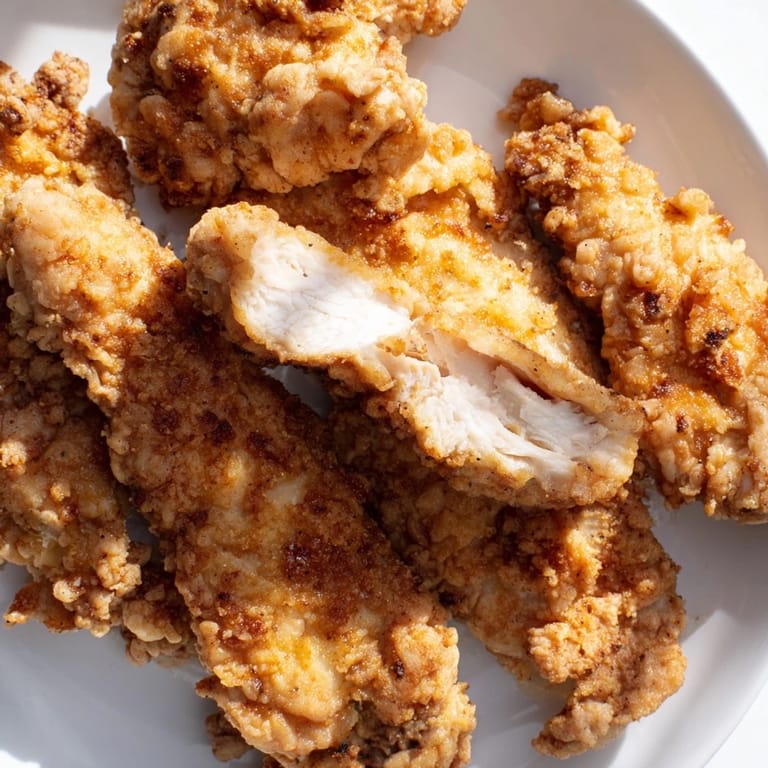
These tenders are best served immediately while the crust is still crispy and the inside is still steaming. I always make a simple honey mustard by whisking together Dijon mustard, honey, and a splash of apple cider vinegar—it cuts through the richness beautifully. Leftover tenders will keep in an airtight container in the fridge for three days, and you can reheat them in a 350°F oven for about eight minutes to restore some of the crispiness.
- Pair these with simple sides like coleslaw or roasted vegetables to balance the richness.
- If the oil cools between batches, let it come back up to temperature before adding more chicken.
- Always let fried food drain on a rack rather than paper towels if you can—it keeps the bottom from getting soggy.
 Save
Save This recipe has become my go-to when I want to cook something that feels special but isn't complicated. There's something deeply satisfying about frying chicken—the smell, the sound, the moment you pull up a golden tender and know you've gotten it just right.
Recipe FAQs
- → How long should chicken marinate in buttermilk?
Marinating for at least 2 hours enhances tenderness and flavor; overnight marination is ideal for deeper taste.
- → What oil temperature is best for frying?
Maintain oil at 350°F (175°C) to achieve a crispy exterior while ensuring the chicken cooks thoroughly.
- → Can I double dip chicken for extra crunch?
Yes, dipping again into buttermilk followed by another flour coating creates an even crunchier texture.
- → What spices are used in the coating?
The coating includes salt, black pepper, paprika, garlic powder, onion powder, and baking powder for flavor and crispiness.
- → How can I add a spicy kick?
Increase cayenne pepper in the marinade or add hot sauce to infuse extra heat into the chicken.