 Save
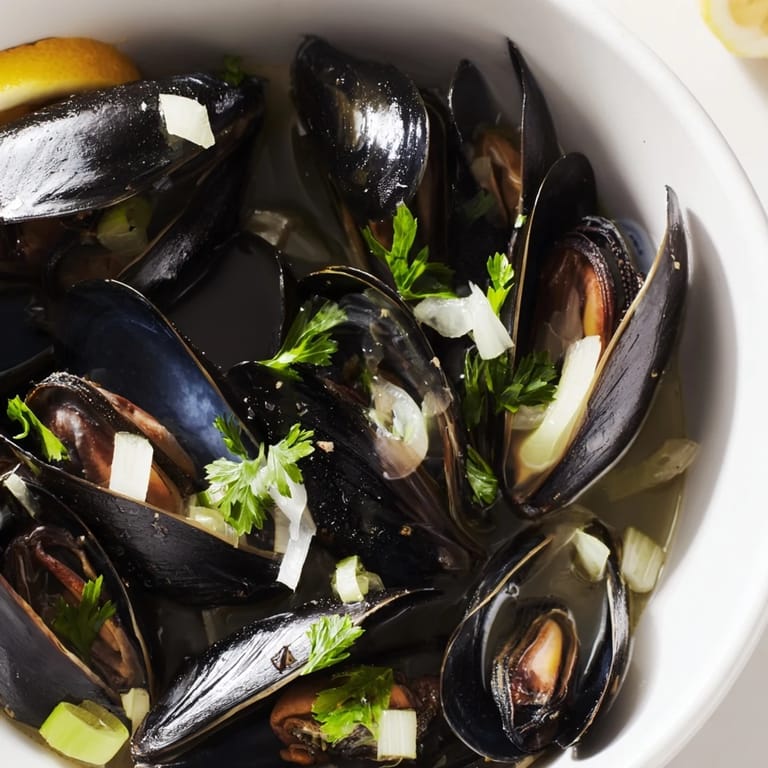
Save There's a particular magic to cooking mussels that I discovered on a gray Antwerp evening, standing in a cramped kitchen with a friend who'd just returned from Belgium. She pulled a bag of live mussels from her market haul and said, "Trust me," and within thirty minutes, we were dunking crusty bread into silky, wine-bright broth while the rain pattered against the window. That night changed how I think about simple food—how a handful of aromatics and good wine can transform something briny and humble into pure comfort. Now whenever I make Moules Marinière, I chase that same feeling: the steam rising from the pot, the sound of shells clicking open, the kitchen filling with garlic and thyme.
I once made this for my sister's surprise dinner party, and what I remember most isn't the mussels themselves but her standing in the kitchen doorway with her coat still on, eyes closed, just breathing in the steam. She said it smelled like a memory she didn't have yet, which is exactly what Moules Marinière does—it creates a moment that feels both new and deeply familiar.
Ingredients
- Fresh live mussels (2 kg / 4.4 lbs): Choose ones with tightly closed shells and a sweet, briny smell; discard any that feel hollow when tapped or smell off.
- Shallots and garlic: These build the aromatic base—mince them finely so they soften into the wine and become part of the broth's soul.
- Leek and celery: The leek adds a gentle sweetness and the celery a subtle earthiness that balances the wine's acidity.
- Fresh thyme and bay leaf: These aren't optional flavor notes; they're the reason the broth tastes like a coastal memory.
- Dry white wine (300 ml / 1 1/4 cups): Use something you'd actually drink—avoid anything labeled "cooking wine," as it often contains added salt and turns the broth thin.
- Olive oil: Good oil here makes a difference; it carries the flavors of the aromatics into the broth.
- Black pepper and sea salt: Taste before seasoning heavily; mussels release their own briny juice into the pot.
- Lemon wedges: Serve them on the side—a squeeze of fresh lemon at the end lifts everything.
Tired of Takeout? 🥡
Get 10 meals you can make faster than delivery arrives. Seriously.
One email. No spam. Unsubscribe anytime.
Instructions
- Prepare the mussels:
- Rinse them under cold running water, scrubbing away any sand or barnacles with your fingers or a small brush. The beard—that fibrous tuft at the opening—pulls away easily; just tug gently. Discard any mussels with broken shells or those that refuse to close when you tap them; they're already dead and won't open during cooking.
- Build the aromatic base:
- Heat olive oil in a large pot over medium heat and add your shallots, garlic, leek, and celery. Let them soften for about three to four minutes, stirring occasionally, until the kitchen starts to smell like a French bistro. You're not browning anything here—just coaxing out the vegetables' natural sweetness.
- Infuse with herbs and wine:
- Add the thyme and bay leaf, then pour in the white wine. The smell will shift—suddenly bright and almost sharp. Bring it to a gentle simmer and let it bubble quietly for a minute or two while you do a final check of your mussels.
- Steam the mussels:
- Dump all the cleaned mussels into the pot, cover it tightly with a lid, and turn the heat to high. For the next five to seven minutes, you'll hear them click and rattle as they open—that sound means they're cooking. Shake the pot every two minutes or so to ensure even cooking. When most shells have opened, they're done.
- Finish and serve:
- Remove the pot from heat, stir in the fresh parsley, and crack black pepper over everything. Taste the broth carefully and add a pinch of salt only if it needs it. Divide the mussels and broth into deep bowls, nestle a lemon wedge into each, and serve immediately with crusty bread for soaking.
 Save
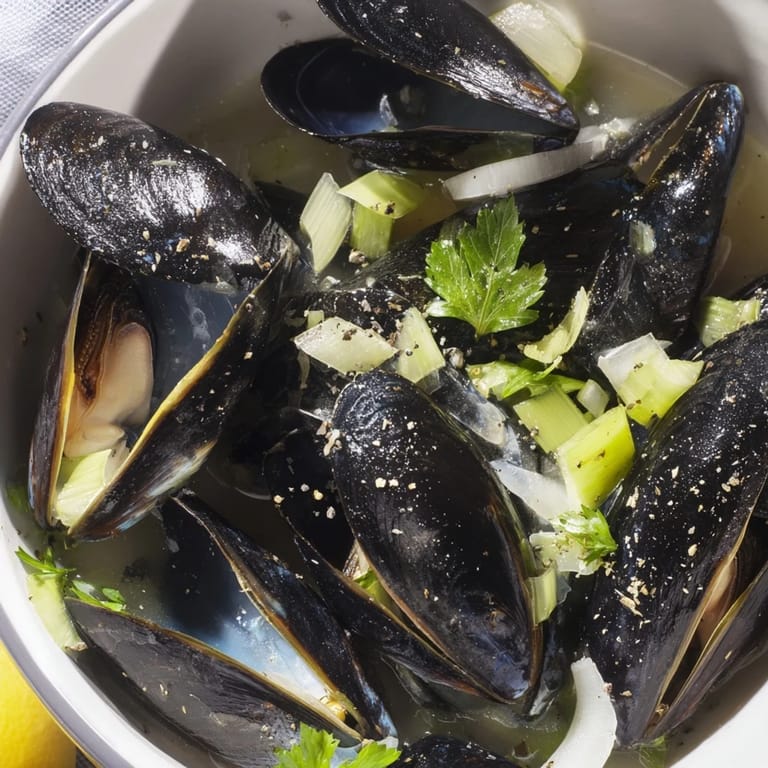
Save There was a moment last winter when I served this to someone who'd never had mussels before, and watching their face when they realized the broth was meant to be eaten, meant to coat the bread, meant to be savored—that's when I understood that this dish isn't about the mussels at all. It's about permission to eat something that tastes like the ocean, tastes like care, and tastes like you have nowhere else to be.
The Wine Matters
I learned this the hard way by reaching for whatever white wine was open, only to end up with a broth that tasted flat and one-dimensional. Now I choose something dry—a Sauvignon Blanc, a Pinot Grigio, even a crisp Chablis—something that tastes like the sea itself. The wine isn't hidden behind other flavors; it's the backbone of the entire dish, so pick one you genuinely like drinking.
Timing and Temperature
The high heat at the end is crucial because you want a vigorous steam that opens the shells quickly and keeps the mussels tender instead of rubbery. Some recipes tell you to steam on medium, but I've found that medium-high to high, with a tight lid, creates that restaurant-quality result in your home kitchen. The whole thing comes together faster than you'd expect, which is part of its magic—you can go from hungry to eating in under thirty minutes.
Variations and Pairings
Once you've mastered the base, you can play around with it. Some nights I add a splash of heavy cream at the end for richness, or a tiny pinch of saffron if I'm feeling adventurous. The traditional Belgian pairing is with fries and mayo, which sounds odd but absolutely works—crispy, salty fries act as a foil to the broth. Crusty bread is the more universal choice, something with a good crust and a soft crumb that drinks up every last bit of that liquid gold.
- For a richer version, whisk in 2 tablespoons of unsalted butter just before serving.
- Fresh cilantro or basil can replace the parsley if you want a different herbal note.
- Leftover broth freezes beautifully and becomes an incredible base for seafood soup or a quick pasta sauce.
 Save
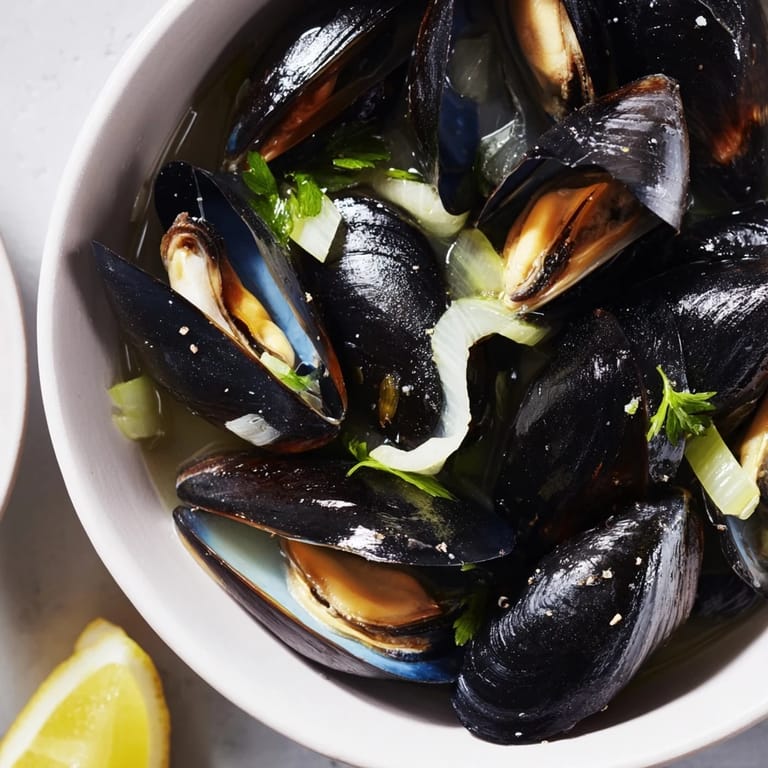
Save Moules Marinière is proof that the best meals don't need to be complicated, just honest and made with a little attention. Serve it with wine, good company, and bread for soaking, and you've created something worth remembering.
Recipe FAQs
- → How do I clean fresh mussels properly?
Rinse mussels under cold running water, scrub the shells, and remove the beard by pulling it firmly towards the hinge. Discard any broken or open mussels that don't close when tapped.
- → What herbs enhance the flavor of moules marinière?
Thyme, bay leaf, and fresh parsley add aromatic layers that complement the briny mussels and white wine broth.
- → Can I substitute the white wine in this dish?
Dry white wine is ideal for its acidity and flavor, but a light seafood stock can be used as a non-alcoholic alternative.
- → What sides pair well with moules marinière?
Traditional sides include crusty bread or Belgian fries, which are perfect for soaking up the fragrant broth.
- → How long should mussels be steamed?
Steam mussels for 5–7 minutes until they open fully, discarding any that remain closed.