 Save
Save There's something about the smell of garlic butter hitting a hot baking sheet that makes you feel like you've got your life together, even if you're cooking on a Tuesday night in sweatpants. I discovered this salmon dish by accident when a friend mentioned she needed something impressive but foolproof for her first dinner party, and I realized I'd been overcomplicating elegant meals my whole life. The beauty of this recipe is that it looks like you spent hours fussing, when really you're just letting the oven do the work while you pour a glass of wine and actually enjoy the evening. It became my go-to when I wanted to feel fancy without the stress.
I made this for my sister's birthday dinner last spring, and what I remember most isn't the meal itself but how she lingered at the table, soaking a piece of crusty bread in the butter that pooled on her plate. Her kids, who normally push vegetables around in disgust, actually ate the asparagus without complaining, and she gave me this look like I'd performed actual magic. That's when I knew this recipe had staying power—not because it's complicated, but because it creates those small moments where food becomes a reason to slow down together.
Ingredients
- Salmon fillets (4, about 6 oz each), skin-on or skinless: The skin crisps beautifully if you keep it on, but honestly, skinless is easier if you're not confident with fish, and it still turns out tender and flaky because you're not overcooking it.
- Fresh asparagus (1 lb), woody ends trimmed: Snap the ends where they naturally break instead of cutting—you'll know exactly where the tender part starts, and there's something satisfying about doing it this way.
- Lemon (1), sliced into rounds: These aren't just garnish; they roast alongside everything and become these soft, almost sweet little wheels that add brightness you can actually taste.
- Unsalted butter (4 tbsp), melted: This is where the magic lives, so don't skimp or substitute here—good butter tastes noticeably different once it's golden and mixed with garlic.
- Garlic (3 cloves), minced: Mince it yourself if you have five extra minutes; the texture and flavor are worth it, though jarred works in a pinch.
- Fresh lemon juice (1 tbsp): A squeeze from half a lemon is better than bottled if you can manage it, and it keeps the sauce bright instead of dull.
- Dijon mustard (1 tsp): This quietly sharpens everything without announcing itself; it's the secret ingredient that makes people ask what you did differently.
- Salt (1/2 tsp) and black pepper (1/4 tsp): Taste as you go, because salmon and asparagus are forgiving, and you can always add more at the table.
- Crushed red pepper flakes (1/4 tsp, optional): I usually add this for a whisper of heat that pairs beautifully with the richness of the butter.
- Fresh parsley (2 tbsp), chopped, for garnish: This is optional but gives you something green and fresh-looking on the plate, which your eyes eat first anyway.
Tired of Takeout? 🥡
Get 10 meals you can make faster than delivery arrives. Seriously.
One email. No spam. Unsubscribe anytime.
Instructions
- Heat your oven and prep your stage:
- Preheat to 400°F (200°C) and line your baking sheet with parchment paper or foil—this is non-negotiable if you want the bottom to stay tender and not stick to the pan. Having everything ready before you start is the difference between calm cooking and frantic cooking.
- Arrange your ingredients like you're composing a painting:
- Place salmon fillets in the center of the sheet with some breathing room between them, then tuck asparagus around them in a single layer and nestle lemon slices between everything. This isn't just for Instagram; it ensures everything roasts at the same pace without anything getting crowded or steamed.
- Make the garlic butter sauce in one bowl:
- Whisk melted butter with minced garlic, lemon juice, Dijon mustard, salt, pepper, and red pepper flakes—you'll smell the garlic blooming into the warm butter, which is how you know it's coming together. Make sure everything is combined before you drizzle it, so the flavors are evenly distributed.
- Drizzle with purpose and intention:
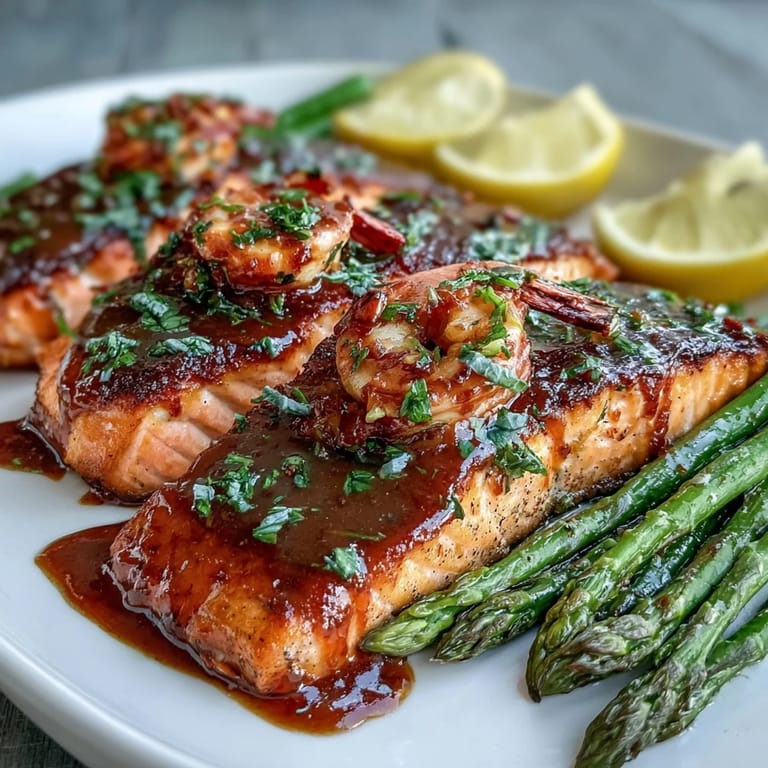
- Pour the garlic butter over the salmon and asparagus in a thin, steady stream, letting it catch in the little valleys of the asparagus and pool around the fish. You want everything lightly coated but not swimming in butter, because the oven heat will intensify the flavors.
- Roast until your kitchen smells incredible:
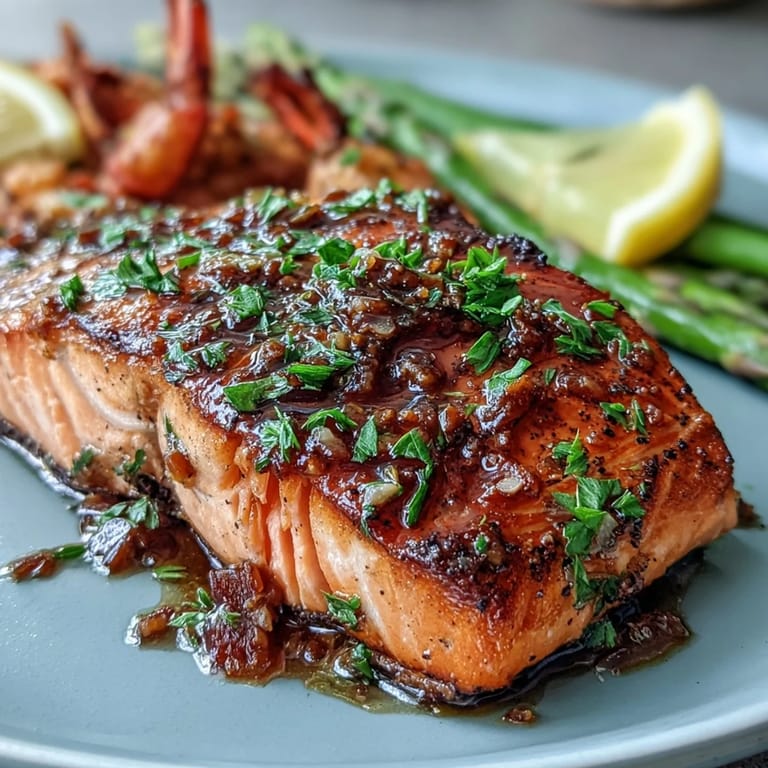
- Slide the sheet into the oven for 15–18 minutes—the salmon is done when it flakes easily with a fork, and the asparagus should still have a tiny bit of snap to it, not mushy. If you're unsure, cut into the thickest part of the salmon; there should be no translucent center, just opaque, tender fish.
- Finish with color and freshness:
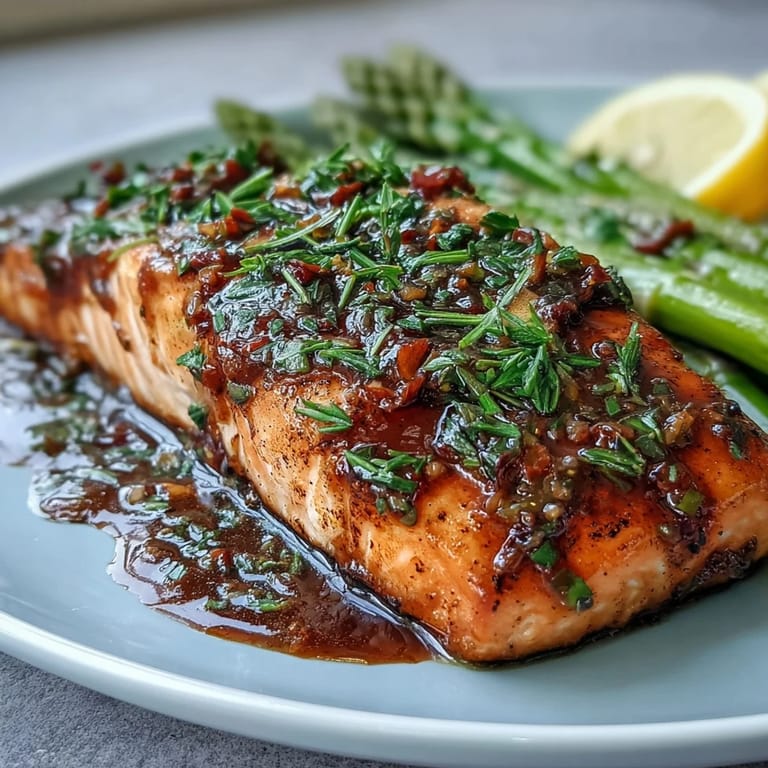
- Pull everything out, scatter parsley over the top if you're using it, and serve immediately with extra lemon wedges on the side. The longer it sits, the more the heat dissipates, so get it to the table while it's still warm and the butter is glossy.
 Save
Save What stays with me about this dish is how it became my solution for those moments when I wanted to cook something that mattered but didn't have the energy for fussiness. It's the recipe I turn to when I'm tired but still want to show up for the people I'm feeding, and somehow it never feels like settling.
Timing and Temperature Matter More Than You Think
The difference between a slightly undercooked salmon and a dry one is literally minutes, and oven temperatures vary wildly depending on how old yours is or where you live. I learned to set a timer for 15 minutes, then peek and check the thickest part of the fish with a fork—if it still looks translucent, give it two more minutes and check again. This method has saved me more times than I can count, and it's the reason I stopped blindly following the recipe and started trusting my own judgment.
Why One Sheet Pan Changes Everything
There's a reason this style of cooking became my default for weeknight dinners—having the salmon, vegetables, and sauce all roasting together means the flavors mingle and deepen without you standing at the stove stirring. The butter gets into the asparagus, the lemon brightens everything, and by the time it's done, you have a complete meal that looks like you planned it for hours. Plus, your kitchen smells amazing, which is honestly half the appeal.
Ways to Make It Yours and Still Have It Work
This recipe is a template as much as it is a fixed formula, and I've played with it enough times to know what bends and what breaks. You can swap the asparagus for green beans, broccolini, or even thin-sliced zucchini, and the whole thing still comes together beautifully because the garlic butter carries the show. A sprinkle of grated Parmesan over the asparagus before roasting adds a salty, umami note that makes everything taste richer, or you can finish it with a tiny pinch of fleur de sel for crunch.
- Serve it with a crisp white wine like Sauvignon Blanc or Pinot Grigio if you're in the mood for a full evening rather than just dinner.
- Make the garlic butter sauce a few hours ahead and store it covered in the fridge, then gently warm it before drizzling.
- Double the sauce recipe if you love soaking bread in it like my sister does, because you'll never regret having extra.
 Save
Save This is the dish I reach for when I want to remind myself that cooking doesn't have to be complicated to be meaningful. Every time someone takes a bite and their eyes go a little wide because it tastes this good, I remember why I started cooking in the first place.
Recipe FAQs
- → What is the best way to roast salmon and asparagus together?
Arrange salmon fillets and trimmed asparagus on a lined baking sheet, ensuring even spacing. Drizzle with garlic butter sauce and roast at 400°F for 15–18 minutes until salmon flakes easily and asparagus is tender.
- → Can I substitute the asparagus with another vegetable?
Yes, green beans or broccolini make excellent alternatives, offering similar texture and cooking times when roasted alongside salmon.
- → How do I prepare the garlic butter sauce for this dish?
Whisk melted butter with minced garlic, fresh lemon juice, Dijon mustard, salt, pepper, and optional red pepper flakes to create a fragrant and flavorful sauce.
- → What garnish complements this salmon and asparagus dish?
Chopped fresh parsley adds a pop of color and freshness. Lemon wedges served alongside enhance the bright citrus notes.
- → Are there any allergens in the ingredients used?
Yes, this dish contains fish (salmon) and dairy from the butter. Dijon mustard may also contain sulfites; check labels if sensitive.